Fitness & Finance
Guest : Pat Darby
september 6, 2022
Steve Washuta
Welcome to Trulyfit. Welcome to the Trulyfit podcast where we interview experts in fitness and health to expand our wisdom and wealth. I am your host Steve Washuta, co founder of Trulyfit and author of Fitness Business 101. On today's episode we go fitness and finance I have on Pat Darby, who's a friend of the show. This is his second appearance on the Trulyfit podcast, you can find everything about Pat at V. Pat Darby on Instagram.
Steve Washuta
Pat is a certified financial planner. And he is also a tax specialist. But really his Nisha is working specifically with people in the fitness industry, fitness pros, personal trainers, gym owners, things of that nature. And he gives great insights and how to really think about your long term success as somebody who works in the fitness industry, Pat, and I decided because I always bounce ideas off of him. And he does the same for me, in our respective industries.
Steve Washuta
Why not have an episode where you prepare five questions, and I prepare five questions, and we just go impromptu off the cuff. I don't know what he's going to ask me. He doesn't know what I'm going to ask him. And we'll just try to have some fun and help each other out. Because there's so much crossover between fitness and finance. It was a fantastic episode of when almost 90 Minutes did not expect that. But it was really great insights into both of our industries.
Steve Washuta
And really just career related tips and tidbits here. With no further ado, here's Pat Darby and I talking fitness and finance. Pat, thanks for hopping on the Truly fun podcast here. I have given you a formal introduction already. But I do want to go over something. Typically when I interview somebody who is outside of like the direct fitness marketplace, I want to compare you to somebody else in your industry and make sure we know the differences.
Steve Washuta
So for example, like even a registered dietician compared to a certified nutrition specialist, the average personal trainer doesn't always know that. What is the difference between someone who calls themselves a Certified Financial Planner? And someone who's just a financial advisor? Is there a difference?
Pat Darby
Well, the Certified Financial Advisor like if you ever see it written, there's always like, trademarks on it. Because it's a it's a designation by a private organization that considers themselves the gold standard in the financial industry. One of the main things other than all the tests we have to take and like I think the areas that were tested on like 72 different areas of finance.
Pat Darby
So it really should be like the full spectrum of your finances. Like if it involves money, we probably have to know something about it for those testings, and there's like the continuing education, things like that. Yeah. So that's what the like the CFP, if you see someone's in their bio CFP certified financial aid, that means they passed that test to have a certain number of hours like similar to a lot of the designations, you have to have a test your requirement, and an experience requirement, things like that, then with a regular financial advisor, like one of the things I usually try to differentiate is calling it like the financial planner versus an investment advisor.
Pat Darby
Because if to be an investment advisor, you just have to pass like a Series Exam. So for those unfamiliar with finance, like there's an organization called FINRA, that's the regulatory body. They're a priority organization that basically works in conjunction with like the SEC, which is a federal organization, but long story short is like they'll offer like a series seven series 63. And those people, you pass a test and then you're you're legally allowed to sell a security.
Pat Darby
I tried to make those differentiations and it's probably longer answer than your audience's expecting Well, it's good. If you have those i i Can my opinion sell against that pretty quickly. Because you end up being just a financial salesperson, it's there's not a lot of in depth knowledge of what you actually get like it, you're tested on, like, what's a mutual fund, and what I don't like about is you tend to end up becoming a sales rep or financial product.
Pat Darby
So not to say that's bad, like people can have an investment advisor that struck strictly looking at their investments and saying, hey, you know, you wanted to have this type of portfolio, this is what you have, and blah, blah, blah. But when you sit down with someone who's a Certified Financial Planner, most likely they're going to be looking at your entire financial picture and not just saying like and and the fiduciary standard is also different.
Pat Darby
Like if your broker, this is again getting more in depth, but if you're a broker, which means like you're selling commissions, the legal requirement is that it's suitable. Whereas if you're a CFP to recommend an investment someone. The legal requirement is like a fiduciary standard so as to be in your best interest. And they sound similar, but it's a pretty it's a pretty big legal distinction, because I forget that the actual definition, but a suit of like someone could be suitable for an investment, meaning. I'll give like an exaggerated example.
Pat Darby
Like, if someone's got a million dollars, it could be suitable for them to buy something really high risk. But if they don't have a tolerance for that risk, it's not in their best interest. So those standards are, are different for reason. And like, that's why a lot of times you'll see the people to the suitability standard pushing a lot of like the insurance products and stuff that's like, I think that's garbage.
Pat Darby
But like that's, that's it gets more predatory when you don't have that fiduciary standard. So that's kind of the difference in like the investment advisory space versus the financial planning space, usually that that credential is forcing them to work at a higher level of fiduciary standard.
Steven Washuta
Yeah. Which would, to me, it seems like they would have to take not just the objective measures, but more of like, look at you personally, and look at again, like the subject of things about you. And like you said, look really into what is your risk? Where's this money coming in? How did you get this money? And not just can you do this? But like, is this good for you and your family and your long term? Like, sort of, like fiscal policies? Yeah, like
Pat Darby
I thought of a better example, like if someone comes to you, and they're like, I really want maybe like, if it's in the fitness world, where you're like, Well, I really want to build muscle. The fiduciary standard would be to put them on like a strength training routine, versus if they said, I really want to build muscle and you just have them running on the treadmill nonstop.
Pat Darby
Like that, from a suitability standpoint might not be an infraction, but like from a fiduciary standpoint, like you'd be totally giving them advice, it's not in their best interest, like they specifically told you what they were trying to do, and you just sort of gave them a backdoor way of getting there that maybe isn't too efficient. So and that's pretty common in the financial space. Like, it's, it's very frustrating watching that, because like, the really big firms like, they just hire a bunch of sales reps.
Steven Washuta
Well, I mean, it's, it's common in our space to write so we have people who are certified and know what they're talking about, and have at least a base level background of what they should be doing. And then there's people who are not, or they have a a weekend certification, basically, right, where they just show up, and you almost can't not pass and you pay a certain amount of money.
Steve Washuta
And before you know it, you're you know, a quote, unquote, expert and fitness. So I think it's really an in, in every single occupation at some level, but it's just good to know the differences. So today, we're gonna do something a little bit different. I have prepared five questions, Pat has prepared five questions. He doesn't know what my questions are. I don't know what his questions are. And we're just going to shoot from the hip and go for it. I think there's so many overlaps.
Steve Washuta
In fitness and finance, almost all of my anecdotes and analogies you just made one, from finance to fitness minor, always from fitness to finance. And I don't know why. But those things just seem to like, really work together. So that's what we're going to do today, we're going to work together, I'm gonna give you some fitness knowledge that you didn't know, and you're gonna give me some finance knowledge I didn't know of all go first. Okay, I'm gonna start with easy questions. I have an easy question.
Steve Washuta
I have a fun question. I have a mental question. I have a question directed at trainers. And I have a question more directed, I guess would say it medical, but sort of like maybe just a higher level employee. And you'll see what I mean when I get to that. But we're gonna start off with easy, easy question here. I actually don't have a will I'm making a will this weekend with my wife? Should I reach out to my financial planner before I make my will? Do most people do that? If they don't, why don't they? And if they should watch it.
Pat Darby
If they're a financial certified financial planner, I would say yes, and here's, here's the reason why, because it's likely going to save you money, because most likely, they're not charging you by the hour. But they know where they should know where your entire balance sheet is. Because if you sit once you sit down with a lawyer to make your will legally binding in the state that you live in, they're going to need to know about your assets.
Pat Darby
So it's probably helpful if your financial planner can just be like, yeah, like this is your balance sheet, this is your entire net worth and start going through the process. Like I give all my clients a questionnaire like I asked a few estate planning attorneys for what they send to clients was years ago. And I kind of aggregated a bunch of the questionnaires together that I thought were like the most helpful questions. And I give that to my clients in advance because a lot of the process of sitting down to do your will to do your estate planning.
Pat Darby
They're not complicated questions, but they're hard. Like one of them be like, Okay, you got young kids who's going to take care of them. And then both of you think of your siblings for as an iPad Federal example. And they could be out of state one could have different financial status. So like, picking those people is not necessarily complicated. But it's not easy either. So you want to have all of those decisions made when you're not sitting in front of somebody who's like billing you by the hour? Because again, like they're not necessarily adding a lot to that conversation.
Pat Darby
That's an internal family question. So that's why I think you should sit down, we're because like, you're already having these conversations with your financial, financial planner, financial advisor, whatever they call themselves. Again, it's semantics and a lot of ways but because they're probably having those discussions with you already, like, where's this money, ultimately going to end up like, college planning homes for kids, like whatever it is. So, I think that you're gonna save yourself a lot of time by bringing those people into the conversation, because a lot of those things, you probably already discuss with them about what the bigger, but the bigger goals are in life,
Steve Washuta
that makes sense. You're just ironing out the details so that when you do walk into that lawyer's office, it's a shorter conversation, you already know your answers, because you've did a thorough once over have all of your assets and what you want to do. And it's really just like, if there's three steps, first, you talk to your, your, your wife, your significant other. The second is you talk to a financial planner, you get all those details, and so that when you go in with a lawyer, it ends up being a faster, smoother process.
Pat Darby
Yeah, and if you're working with someone who don't who is on that comprehensive level, there, that's part of their training to like, architect these plans, and then use have a lawyer make it legally binding and or point out mistakes like, hey, this doesn't work in this state, or hey, that's not a good idea in this state, like whatever it is, like you let them the expert come in, and and bind it all together. But you have the foundation of the architecture done by your financial expert.
Steve Washuta
Cool. Make sense? I knew that you would know that answer. And I knew that would give a good answer. So that's the easy question. They get harder from here on out. But you're, you're up here on the on the docket? Okay.
Pat Darby
I'll start I'll, the first one I have on my list is probably not the easier one. So I'll skip that one come back to it. This is almost like a two parter. But so who should for new fitness coach? Who should your first hire be? And what revenue level?
Steve Washuta
So you're saying I'm a I'm a fitness coach, and I'm hiring a client?
Pat Darby
No, no, I'm hiring my first like team member or to help with the business? Like, what revenue level do you bring on the first person and who would that probably be? Is that mean, it could be whoever it is somebody in my business, it could be a marketing person help social media, it could be a junior coach, whatever you think is usually the best
Steve Washuta
outlet, I think it has to be a junior coach has to be somebody underneath you who's training who you can give all your easier clients to. So you want to number one, you're taking a percentage of what they're getting. So let's go ahead and say they're charging $100 an hour, which would be a lot to train a client, you're going to be taking maybe 20% of that, or something 30% of that, and then giving them the 6070 80% of that or the money.
Steve Washuta
So you're getting money for doing nothing for just passing on your easier clients to your junior trainer, you're giving them experience, so that they're gonna get better by working with the easier clients. So down the road as they develop underneath, you can start giving them more difficult clientele.
Steve Washuta
So so that that's what I would say first, and then that also allows you to clean your plate off to do other things. So really how the the arc of the trainer's career goes is that first you start off with no clients, then you get one or two or three or four. Before you know it, you're booked.
Steve Washuta
But you can only make as much money as there are n hours in the day. So if you're especially if you're a one on one personal training and not group training, we could we could talk about what Small Group Training is and private group training.
Steve Washuta
But if you're just doing one on one training, let's go ahead and say I only have the bandwidth for 10 clients a day, which would be the equivalent of 10 hours a day. Well, times that by however many hours you have in the week, let's say 50 hours a week, you're willing to work times the price you're making that is your maximum amount.
Steve Washuta
And once you've maxed out on that, where do you go next. So by having a trainer underneath you, like a junior trainer or junior coach, you can then push your easier clients to them take a percentage of that, but when you clean your plate off, it's not just that you're filling it with new clients, you can really take a step back zoom out approach is what I would say and then and then say okay, now what's my third step to this business? Is it time to now hire marketing is a time to now hire another Junior coach? Is it time for me to go in a different avenue or start these things and I think the first step again, is filling your schedule.
Steve Washuta
The second step is getting a junior trainer to take on your easier clients and then when you've cleared your schedule somewhat, then you could really take a good analysis Have your business because now you have secondary revenue coming in from that other trainer. So you don't have to worry about working those 5040 or 50 hours a week.
Pat Darby
That's great. Yeah, that's that's a perfect first hire.
Steve Washuta
Yeah, and some people might disagree. Some people might say, Hey, don't you want to hire somebody who can like help you market? It's like, well, I don't want more clients than I can handle. So what does marketing helping me with like, out and the other again, I'll play devil's advocate, someone might say, Well, maybe you should just charge more and start thinking about like, a higher level clientele package. But in our industry, even if you do that, then you're also just putting more energy and more effort in.
Steve Washuta
So those, it's not like, I'm going to do the same exact program, if I'm going to be charging you more, that means maybe I have to handle your nutrition, which means I have to overview like your diet each day, and I have to have conversations and check ins with you about your diet.
Steve Washuta
Or if you're like, Hey, I'm just going to work with people who are also like training for something, let's say high level, like the Olympics, like I'm gonna work with these people who are going into this, it's like, okay, well, now you have to dedicate more hours to research how you're going to work with them, you have to check in on them all day.
Steve Washuta
So like these things, you can't beat the system. Like if you're gonna charge more for training, people expect more effort out of you. And you have to give more. So I really think the only answer is to like, clear ours off your plate. And by hiring somebody underneath you.
Pat Darby
Yeah, and working on the business as much in the business that
Steve Washuta
Exactly, exactly. And with us, it's such an advantage because you don't need, you don't even need a space, like I don't need a gym to hire somebody underneath me. Like I can just reach out to any Junior trainer right now who's a virtual trainer. And I can pass my easy virtual training clients onto them. So I have no overhead, I'm just passing them on. They don't know what I'm charging that client because I'm going to send that trainer, a certain percentage of the money that I'm charging the client because I'm giving them the client.
Steve Washuta
So it's really a win win. All right, it's back to me here. I'm gonna go with a fun question. I feel like I know your answer. But I'm gonna put put you on the spot here. So again, I know a lot of these questions for both me and you are just going to have caveats.
Steve Washuta
So there's no, there's no possible way in which you can be like, I'm not going to be able to describe all the variables going on. But you could sort of create your own caveats within each question to answer appropriately. But let's say you had a client who an opportunity, they're in their late 20s.
Steve Washuta
And they say, Hey, Pat, there's a gym in my hometown, it's going out of business. And I can get all the equipment in this gym for pennies on the dollar. And I can take over the rents, it's basically a turnkey business, I can just jump right into this business right away. But I have to liquidate my 401k to do it, it's going to cost me 60 grand, I got, I don't know, 8090 grand on my 401k that I worked from when I was 20 to 29.
Steve Washuta
And it's all sitting there. And I know that I should save for retirement. I know all of the right things. But I feel like this is a once in a lifetime business opportunity. Would you just completely talk this person out of it? Or would there be cases where you say, Okay, I understand maybe this is going to be the better decision?
Pat Darby
I love this question. Because this is this is one of the things I push back against when people say they hate retirement accounts, because it locks up your money, there's penalties to pull it out things like that, which are true if you don't fully understand the capability of retirement plans.
Pat Darby
So I'll give it a give a two part answer. And like, I don't know if in the beginning, like my my podcast is peppered with annoying disclaimers, but this is not. This is not an advice for your specific situation. This is educational.
Steve Washuta
So I'll give I'll give a long disclaimer on the front end.
Pat Darby
So So just with that, with that disclaimer, caveat. But the one rule of thumb that I think people often overlook with investing is that and I forget how Buffett phrased it, but essentially, like, the best investment is what you understand. So the best investment like I'll give you a very extreme example, I met someone at a financial event.
Pat Darby
That was a pilot that was getting that was on the verge of retiring. He was about to buy. This is the second part of the answer because there's a lot of flexibility in what you can do with retirement accounts. He was about to take his retirement account and buy a private jet that that his employer was getting rid of because they were upgrading.
Pat Darby
Now that would be a horrendous investment for me because I don't know anything. He's a private pilot that was like about to retire. So for him he knew that he knew the quality of the plane. He knew the how much it costs to run it. He knew this that has some certification that's hard to get. And he could see all the investment profitability in that purchase. So for him to spend millions of dollars on a private jet, very low to no risk for me to do that, that would be insane, I'd probably lose all my money.
Pat Darby
So investing in what like in that scenario where they know the gym, they know the risks, they know that the road to profitability, I love that because it's like, alright, you have a unique skill set, this could be an amazing return on investment for you, compared to like the stock market where maybe you don't know what you're doing or to like, maybe you think you can outperform it.
Pat Darby
So that's the first part like you should, if you want to lower the risk and increase the reward, invest in things that you thoroughly, thoroughly understand. And a second part to that is you before you start raiding your retirement accounts, there's what's called self directing. And it doesn't get a lot of popularity or attention, mainly like anything, it's because the people who have the biggest dollars can't monetize this, like the big companies that I won't name.
Pat Darby
They won't allow you to do this. Like if you call them up, or even now, like a perfect example, you call up like the big guys like the TDS the Fidelity's, and say, hey, I want to use my 401k to buy crypto, they'll be like, You can't do that. So most people think, Oh, I guess it's not allowed. But the reality is, it can't be done at those places. It can be done in real life.
Pat Darby
So you can buy operational businesses with 401 K's like, so if you have a 401 K, or you roll it to an IRA, you can buy a fitness business. Now, there's complications involved if you're the one running the business as well, but it still can be done. And so for people listening that might be have worked at a quote unquote, nine to five, and they've amassed a few $100,000, there's ways to tap that, that don't involve pulling it out and paying penalties.
Pat Darby
So it doesn't have to be an either or like if you really have to. That's, that's a decision need to make. But before you start paying a 10% penalty, and again, this is why I always push back when people say Oh, well, I don't like retirement accounts because I can't access the money. Well, what do you want to do with it? If your mindset is buying assets? Then who cares? Like buy those assets? Use the account? If your mindset is I want to raid my money to like go travel the world like Well, yeah, then retirement accounts aren't going to benefit you.
Pat Darby
But if you're, if you want to buy real estate, or crypto or whatever, retirement accounts can can own this is again longer than I expected to go. But retirement accounts can own anything except for three things. They can't own insurance policies. They can't own a business, that's an S corp. And they can't own collectibles. So you can't buy fine art, some coins and things like that, like it's a gray area. So like, but outside of that you can buy any type of business or investment that you can think of. So during
Steve Washuta
COVID, they suspended a lot of those, like 10% fees, isn't that correct? And you can just you could have for a duration of time, just taken that money and claim that you are basically, you know, obviously dealing with COVID related job disincentives where they have closed your business down and you had no other way to get money.
Pat Darby
Yeah, you they didn't they suspended the penalties. They didn't suspend the taxation. Like you could break it out over multiple years. So that could help you. But yeah, like the people that were are thinking of doing that they really should consider what type of investment it is and look into what's called like self directing a retirement account. There's not a lot of finance people that talk about it because again, the big firms can't easily monetize it.
Pat Darby
So it's like for me, I love talking about it because I own my own firm I can do I can tell people to invest however they want to invest. I don't have like I'm agnostic to what people do. I want you to invest in what you want. Because then like I work with fitness people I want a lot of them reinvest in their business. Like if you weren't one of the big firms, they would hate that because we're like, like you listen to CNBC, like everything they want you to do is plunk every money into the stock market. It's like, that's not for that's not the entrepreneurial mindset.
Steve Washuta
No, not not at all. I mean, first of all, nobody trusts it anyway. And it's it's too much. You're betting on something else. You're not betting on your own skill sets, like you said, right. Like the guy. The former jet pilot is betting that he had enough connections in that industry, where he can make this a side gig on his own.
Steve Washuta
And he can get that plane fueled up for X amount of dollars and he can get these two or three high end clients to switch over from that company just to him because they really liked him and he can make the side money. The trainer feels like Like, Hey, I know this demographic in this part of town, I can take over this business. So yeah, I might take a 10% hit. But guess what I, if you don't look at it that way, and you look at it, I also got this equipment for pennies on the dollar, I'm also getting a turnkey business opportunity where I don't have to like, market and like change the signs and do anything else.
Steve Washuta
I'm literally just walking in taking over the business, and there's already clientele there. Well, would you have paid that 10% To get that in the first place? You know, like, if you if you change that conversation around like, what, what does that 10% mean to you, if you would have just paid into that business anyway to to get that going? And I'm glad you said that, because I just, you know, I was under the impression that some financial advisors from certified financial planners would just be like, No, we have hard, hard, like steadfast rules where we just never liquidate.
Pat Darby
I'm sure a lot of them have that. Because they and again, just so people are aware, like those finance people, myself included, if I manage your money, I charge a percentage of the assets I manage. So just you know, like if that's how they get paid. So like anything, you can't take conflicts of interest down to zero. But just know like when if they're recommending, don't liquidate the money I manage. There is a portion of that were like that's coming from the top like, Hey, don't lose revenue for the firm. But just also along that same line of thinking, you can borrow from 401k plans.
Pat Darby
So like, if you've got $100,000 in a 401k in that exact example. There again, there's this whole world out there people using their retirement accounts to invest in quote unquote, normal investments. Like there's banks that lend inside of 401 K's like, there's a whole world out there that could get this done for you. So like one of the options could be you just borrow the money from yourself, you have to pay it back. The interest that you pay back, like, again, if you bought that gym, or you bought all the equipment, the interest you pay it to yourself to refund it is also deductible by your business.
Pat Darby
So there's a lot of really cool ways that you can make these things happen without doing like the the quote unquote easy thing that people say is okay, we'll just pull it out pay penalties and interest or penalties and taxes. And then whatever's left invest, it's like, well, there's, there's other ways to do it. And this is why I really encourage people to work with people that are looking at the entire spectrum of finance, not just like, this is your portfolio.
Pat Darby
And here's my advice, but looking at what's going on in your business what's going on in your personal investments, because they play together very intimately. It'd be like, like getting back to fitness, it would be like having the greatest fitness like strength training routine, but a garbage diet and like nothing of discipline in the diet. It's like, well, what are your results going to be? You know, like, everyone listening here knows exactly the outcome there. So
Steve Washuta
great answer, and you are up. It's my turn. I feel the wrath here.
Pat Darby
So this one's similar to what you touched on at the end of your last answer when you were saying that one of the things that might be contrarian is to just raise pricing. So the other end of that spectrum, what's the lowest a new coach should be charging for one on one coaching? So it's gonna be gray area. But
Steve Washuta
yeah, well, first, well, firstly, let me let me unpack and you can step in at any time. But the difference is sort of in in coaching. So there could be like a virtual personal training session, where Pat pops on the Zoom, and I'm on there, and you have dumbbells, 10, through 30, fives, and so do I and I have a TRX Suspension Trainer and you have a mat, and I'm walking you through a workout, and you're paying for that hour and that hour only.
Steve Washuta
That is different than if I'm building you a plan. So if that's like, Hey, Steve, my goal is like I want to maybe gain 10 pounds of muscle over the course of like, five, six months. So I want to just get bigger, I want to just I really want to focus on XY and Z. So those sorts of things are different price ranges. Because for one, you're just paying for my hour me to design a workout for you, and then it's over. The other one, I'm gonna need to check in on you, I'm gonna need to write out your initial diet plans and all of this stuff. So I'll touch on the first one first, and then I'll go back to the second one.
Steve Washuta
So if it's just an hour of of my time working with you, I think $50 is absolutely minimum now in the industry, regardless of where you are $50 an hour is is the minimum. And it doesn't matter how you slice it if you're if you're taking that money off the books, which your Certified Financial Planner will tell you not to do. If you're if they're demoing you, you still want to report that that's talked about that before. Or if you're you know if you have a legitimate business, however you're going about that As a personal trainer, and a health coach and a fitness coach, that's absolutely minimum, I would then look at the look at that hour, and not change that for all of the other things you're putting into it. So what I mean by that is, if I'm now coaching you, and I have to, let's say, look over your diet plan, so I give you a diet plan, maybe you write down your macros and your calories and what you ate.
Steve Washuta
And I have to review that, I'm going to be like a lawyer asked and look at my time does this take me a full hour to review this and then type you out an email and say, Hey, Pat, looks like you're doing good. But actually, you're under calories here, we need you to be, you know, in a caloric surplus, right now you're in a caloric deficit, that's not good for our goals, you're trying to gain muscle. So let's add, you know, four to 600 calories here, we can do that by adding this shape to your two o'clock meal and adding this thing to your six o'clock meal. I think we'll be okay for the next week. So if I'm going through that sort of process, I'm still going to charge you for that hour, my given time, which is probably another $50. So I think $50 is the minimum, but I think we do have to separate the coaches who are doing more than just the one on one personal training.
Pat Darby
So what would if they're doing everything, like you said that it's a customize, fitness, routine, diet, everything it's like they're like a full spectrum. Coach trainer, what do you think the minimum is there. So
Steve Washuta
I still think for each individual hour that you think you're going to be working to build this clients thing, charging 50 is not a bad idea. So it might take me an hour every every week to review your diet. So that's $50, then we're training together two or three times a week, let's say three times a week, that's 150, that's $200, then we have a check in call where we go over everything. That's another $50. Okay, so now we're up to $250 a week that I'm working with you. But that's five hours, that's five hours of my time that I'm giving out. Now, some people don't like to go that route that way, they just want to charge like a an annual fee, like, Hey, this is my annual fear we're going through this, we're going through that. I feel like clients goals fall off.
Steve Washuta
When you do that people think that, Oh, if you just charge for a year, people are going to be invested for the full year. I don't think that's the case, I think that the trainer gets lazy and the client gets lazy, they pay all their money up front. And then they don't have these checking conversations and phone calls, the goal sorts of start to fade away a little bit, maybe my original goal, again, was to gain 10 pounds of muscle over six months, but it's not working out a month one or two. So I then sort of take those goals back, the client knows they can't get their money back, they're already invested.
Steve Washuta
For them, I think having the client actually have to send you weekly amounts of money, or bi weekly amounts of money coming out, they then put it in their head, I need to also be putting this energy and effort in like this money is continuing to come out of my account. Now. Is that best for the trainer long term? The the answer the trainer would say is no. Because then what if they don't meet their goals? And they back out on me? Well guess what, if your clients not meeting their goals and get back out on you, then you're never going to grow your business model. So you have a problem in your business model. So you want to make sure your client is getting goals. So then they refer you to somebody else, and then you get another client. So that's the whole purpose.
Steve Washuta
Yeah. Could you trick five or six or seven people out, excuse me into paying you a year's worth of money? For you to design services that don't work? Yeah. But then the gig, then the gig is up, right? Then you your clients don't make any progress. And you don't you lose them as clients and they never refer you and you're starting over again. So I think I said this a lot. Avoiding starting over is really good. You never want to start over. So
Pat Darby
I completely agree with all that. It's it's like it goes with human nature to keep both of you earning at each. Whatever pay period you guys decide on.
Steve Washuta
Yeah, and people, people run their businesses different ways. And you know whether something is like, we also talked about that. So that's maybe a one on one business, if your business is going to like vertically scale or horizontally scale that could change what you're doing, and how you charge things. But I think for young coaches, for people who are looking to build their business, forget about the money, you have to be successful first. And for you to be successful. Number one, you have to keep your clients on the hook.
Steve Washuta
And number two, you want to be you want to be involved in thinking that you're earning this money, and that your client needs to think that I'm spending this money for good cause and you're going to put more energy and effort and knowing each week. There could be a paycheck coming to you are not coming to you and do the right things get your client to their goals and then down the road two or three years in when you proven yourself, then you can think about maybe charging in a different fashion well that I'm gonna go here with the, the mental question for you. Okay. Like we talked about before, there's so many crossovers between fitness and finance.
Steve Washuta
And I actually I have a guest, on who's of the same profession you are who wrote a book called The Money nerve. And he is, he's actually the CFO of the Comedy Store. So like the place that like in LA that like, you know, Rogan, and all those people talk about, like in the podcast, he's like, the CFO there. But yeah, he talks about, like, the relationship that people have with money. Like they have a lot of like mental blocks, basically. Right? Like, yeah, like, you sort of lie to yourself about money.
Steve Washuta
And people do the same thing with fitness, right? We lie to ourselves, a lot of people who are really out of shape don't want to talk to me. I've had like, instances where like, I'm in the grocery store, with like, past clients. And like, you can tell how embarrassed they are. Number one, they don't want, they don't want me seeing what's in their shopping cart. Because they think I'm gonna judge them. But number two, they're like, it reminds them like, oh, shit, like, I'm not working out anymore. I'm not training, I don't care about my body. I used to like work out with a personal trainer.
Steve Washuta
Now I don't. And like it brings up these like, weird emotions. And I think people have that same thing with money. It could be number one, I'm like, afraid to talk to a certified financial planner, because like, you're going to dig up the skeletons in my closet, right? And then like, number two, like, you just like it brings to the realization of how much money you like, maybe don't have, or like the places you put your money in wrong places. It's like this really shitty audit you have to do. How do you get around that with clients? Is that something you have to like, sit down and talk to clients about you have to convince people like, Hey, this is for your long term, like better fiscal, like health? And we just need to do this, although it's gonna be tough.
Pat Darby
Yeah, that's the that's the hard part. Like even even to what you you touched on. Like, it's hard with clients. But what is a bummer about the industry in general? Is that exactly, you said, like people feel. And I know why the industry like, again, the big guys like they marketed for decades. So I don't know how old your audience is. But for decades, the big guys are basically like, hey, get a million bucks and come talk to us, it's like, well be a lot easier to get a million bucks.
Pat Darby
If someone gave me some advice on like, what mistakes to avoid along the way. The same thing and like fitness, like, if everyone walked around me, like, we'll get a six pack then call trainer like, well, what the hell like that's, I need you guys to help me with the hard part. So, so that's definitely part of it, like, running into clients where like, they have the mindset where money just disappears. And you can see it like, you'll build a little mini nest egg for something and then, quote unquote, something comes up and they wipe it out. And you're like, come on, like we like it does, this is your goal.
Pat Darby
And so that's the hard part. Because when when you get into this business, and there's nothing, I don't know if it's changed, but there was nothing, I've been doing this coming up on 13 years. There's nothing that's taught about the money mindset, like trying to deal with the fact like some people have that scarcity mindset where money just either they cling on to it really hard or the opposite, where they just blow it. And again, like you, you don't get taught about that stuff, the mindset side of it. And I know from yourself and others I talked to like the mindset side of fitness is becoming way more popular, because you're like, Well, how do I get people to stay on this life transformation, without me like how they can graduate to it. And that's obviously peeling back the layers and trying to figure out like, Why do you have that relationship with fitness or health or whatever it is? It's the same in finance.
Pat Darby
And I don't have a great answer for that, because people come to you with different ways. But the one thing that I try to emphasize with my clients is that like, I didn't come up knowing this stuff like that, like I can't speak to other people. But like I didn't grow up knowing this stuff. Like I transitioned into finance from like a science, I was a biochemistry major. So I made a ton of the mistakes that I help people solve myself. And I made these mistakes. I mostly mostly had to solve a lot of them for myself. And then I started teaching other people but being inside of the industry. And this sort of gets back to when your first questions like I was inside of the industry making a ton of mistakes because all I had was like those series exams under my belt so like you think you know what you're talking about, but you don't like you don't know how it all plays together. So like, like when people are getting financially naked. I'm right there with him.
Pat Darby
Like there's no stupid questions like I've probably made like half the mistakes that you're about to avoid. So like I Um, but then on top of that, from a more strategic perspective, I tried to build systems and people in places so that they can easily gauge when, like, for instance, like a budget, like, just like with a diet, like, if you go out and drink and party or whatever it is like you like, I'm here in Vegas. So like, you have a Vegas weekend. And you know, it's not the end of the world when people come back to like, Alright, now I gotta get back. But like, you need to have like those, those guardrails in place, so people know when they're out of control. And then you just get back in line. So I feel like that's what I was saying with like budgeting and some of the basics of finance.
Pat Darby
Like, you build all these systems, and they just help keep you in line when like, maybe you overspent but like you don't have like beach up over. Like, we have a system in place where you can see that you overspent and like, okay, like, you can't do that forever, and probably can't do it for more than a few months in a row before it starts to really hurt. But those sorts of things help like, ironically, like this morning, I was listening to Andy for sellers podcast, I don't know if you listened to that one, really, if he was talking about that something similar today about how like, when How do you stay motivated when you've hit a certain level of success.
Pat Darby
And one of the things he said was like, spend your money and he clarified, it's like I'm talking about investing it like also giving it away for charity and things like that. But I like to say like putting it to work and getting it out of your pocket is is sometimes helpful as well, like so again, as part of like, the systems for people that are not good at money, is getting it out of sight out of mind psychologically. Like if you've never read the book Profit First, it's a big part of what I help people integrate is like, get that money psychologically out of your pocket and put it where it needs to go, whether that's for your future self, whether it's for the IRS, but getting it out of the temptation zone, for lack of a better term is probably a big part of like the mindset.
Steve Washuta
Yeah, and I think, you know, there's always there's crossovers, again, and fitness and finance. And I think that was a good way to put it, where you have these guardrails that you really need, and you're gonna go sort of off the wagon, sometimes you have to forget about it have amnesia, don't worry about it, just make sure that you sort of clean everything up and you're back to it.
Steve Washuta
I think the maybe the one difference in finance and fitness, at least from my perspective, and you can disagree is people are typically excited to start fitness journeys, like they'll see something, it'll inspire them, and they'll be like, I'm ready. Like, I'm ready to do this, like, let's go, let's get started. And then they fail. But like, maybe they'll come back and they fail. I don't know if people are excited to like, audit their finances. I feel like they're more nervous. I feel like you have the harder job convincing people through the door to get through the door. Does that make sense?
Steve Washuta
Like people are like, excited to maybe work with me because they, they first see, like, oh, I can maybe look this way or I can be healthier, I can live longer, but like, I just feel like it's sometimes it's daunting, and it shouldn't be right it should, like people should understand like, Hey, you don't need to have millions of dollars. And you just you need to clean up your your financial mistakes so that you can have a lot of money and like you shouldn't look at it as like a daunting process.
Pat Darby
I think it depends on where they're starting out. Because it's like, it's like sports, you know, it's exciting, like, they're catching touchdowns and throwing touchdowns like that gets the fans in the seats. Like that's exciting. The practice and the defense like that's not as that's more gritty and unsexy. So it depends, like some people come in and like they've got all the the negative things, not on their plate, like they don't have debt, they don't have issues with budgeting and saving money and spending less than they make.
Pat Darby
So they can sit down and be like, let's do the sexy stuff plus our buying assets, let's invest. Whereas other people they come in, it's like, I don't have any idea where like, if fitness, they have no clue what they're eating, they have no clue how much they're spending. They don't know anything about the risks in their life like so. They sit down and like we're dealing with debt we're dealing with, hey, like we need to add expenses because you don't have health insurance. Like let's get that you know, so like, they have to tackle a bunch of unsexy things like those people I feel like yeah, it's, it might be dreading sitting down, but most people probably are in enough pain that it's worth it.
Pat Darby
But the one thing that I think is the differentiator between fitness and finance that I don't do a good enough job of emphasizing is that like, if anything it gets harder as you age to stay looking good keeping that six pack or whatever it is. Whereas finances the opposite if you start early, because of compound interest, you can get get to a point where you don't have to be as disciplined because that snowballs rolling downhill for you where like your, your money is making you money and like you're killing it. Whereas fitness, like you always need to put the work in. And arguably, when you're 50 versus 20, you're putting in a lot more work to get the certain result. So it's all just like, obviously, a big plug to start early. Because eventually you can have so much of your investments returning you money, that it gets a lot easier.
Steve Washuta
Yeah, that's very true. I mean, there's a compounding thing and fitness, insofar as like, the ease in which exercise becomes like enjoyable compounds, right? So if you've been working out nonstop for like five years, like exercise, like Pat wakes up in the morning and can't wait to go to the gym, it's the best part of his day at this point, right? You're not dreading it, you don't roll your eyes, you're looking at your watch saying, when is it? When is this client leaving? I can't wait to do shoulders today. Right? So that is a good that's sort of a positive compounding. But you're right, your body's working against you. As opposed to your money working for you as you get older. The the entrepreneur you just mentioned, of course, his name is out of my head now is made a belief like 55% of his money over the or excuse me, 80% of his money since 50. Since he was 55. What's his name? The Most Popular The Most Popular investor of all time? Oh, Warren Buffett. Warren Buffett. Yeah, so apparently, Warren Buffett has made 80% of your money from the age of 55. And on both because of compounding, and then one would assume because of better decision making, right? Because if you've been make if you've been making investments from let's say 15 to 55. You number one, know what you're good at investing at what you're bad, and you know, all the mistakes you made. So then you avoid those mistakes.
Pat Darby
100% Yeah, he's a great example of that. There's a lot of famous entrepreneurs think the guy who invented KFC or one of those, like, I think he didn't even launch his business to lose like 60. Like, it was one of those kernels, I don't remember. But there was somebody that like some really famous guy that is like inspirational people who are like, Oh, I'm too old to start a business like, well, some guys started after retirement, and now they're killing it. So now,
Steve Washuta
while both fitness and finance, it's never it's never too late to start.
Pat Darby
Totally agree with you.
Steve Washuta
You, you are up. All right.
Pat Darby
So this one might be easy. I'm not sure. What's the biggest mistake, you see the fitness coaches making with their marketing.
Steve Washuta
I would say that they try to educate rather than inspire on the front end. So it seems cool to tell people like hey, if you want to really activate your lats, you have to make sure that you have scapular protraction. And then retraction and make sure you're like squeezing your core together and doing this. That's really not what people want to hear right away. What they want to hear is inspiration, they want to they want you to show them, hey, this is where we could be. This is where you could be in a year. This is this. That's how you get clients. Right? Not by showing how smart you are. By inspiring them.
Steve Washuta
First you inspire them. That's how you grab a hold of them. And then you educate them. And I think too many fitness professionals think I want to show people how smart I am. First of all, everyone knows you're making a video. So you could have just read that 10 seconds ago, just Google, Googled it, and then made the video and chopped it up. And you really don't even know what you're talking about. Right? So like, you're not you're not coming off as authentic anyway, people can tell if you're smart, right? They're intuitive. So you don't have to try to prove to people you're smart. But ultimately, your inspiration is how you grab a hold of them. And then you can slowly educate them. And I think young fitness professionals don't think that way.
Steve Washuta
They they just get their first certification. And they learned a few cool things. And they want to tell everybody how to do these cool exercises. And that's that's just not going to get you clients. And it's actually something that I've really struggled with, right. So like, I went ahead and wrote a book and I designed a course and I did all these things. And when I was pitching the book in the course, I was like pitching it to trainers. Again, not inspiring them to say like, Hey, you could advance your career, but how you can learn a lot. And that just didn't work. I couldn't say like, Hey, you're gonna learn a lot. I had to like, sort of repurpose that and say, Hey, you can you can make a lot of money. Basically, you can be better than you thought you can be. Not that not that you can learn a lot and if they're the same thing, ultimately, but but the inspiration before the education I think is very vital.
Pat Darby
That's a great I've never heard a phrase that way. I love that answer. Because I think it's so true. I mean I'm I'm certainly guilty of that like putting up more educational, arguably boring content. So I totally agree with you. It's it's, you're saying the same thing like you enticing them with the opportunity more than just hey, here's what you're going to do first. Yeah, and
Steve Washuta
the reason why certain people like a Steve doesn't want to do it and fitness and a pat doesn't want to do it and finance is because we actually know our shit. So we're smarter maybe than people who do our jobs and we want to let everyone know. But ultimately, it that's just not how you're gonna get clients. You have to inspire before you before you educate, but it's really tough because we do have knowledge and we want to pass that knowledge on and we want to let people know but it's just it's an it's a it's something I have to fight against that I know you'll you'll have to fight against and people have to fight against, but it's it seems salesy,
Steve Washuta
but it's not because if you make your end goal, I want to help more people, I want to help more clients, then it's not salesy, because again, like we talked about, we're not that I'm not that trainer who wants to sign you up for a year contract, do you a disservice and then quit on you, you know, you're not the the Certified Financial Planner who's just going to, you know, tell them to put their money into, you know, whatever, some sort of index fund well, okay, I know I can do that. I don't need your help for that. So. So I think because of that, we have to just sort of swallow our egos and say, hey, if I got to be salesy, I have to be salesy. I'll get the client and then I'll then I'll educate on the back end.
Pat Darby
And that's a great answer. Great way to look at the marketing strategy.
Steve Washuta
Okay, so I'm going to, uh huh. I want to another easy question. I get a hard question. I had more than five questions here. So now I get to pick from this. Alright, I'm gonna go with another easy question. So it's, it's just your it's just your answer. It doesn't matter. There's no like particular answer here. But do you think that a certified financial planner should study more in the way of like economics? And so let me unpack that a little bit. Like, don't, don't I want my financial planner to like, be forecasting a little bit like, Oh, hey, because of COVID, the supply chain screwed up and like, there's less, you know, there's a war on Ukraine. So there's not enough palladium. So I know you want to sell your car, but like cars are going to be more expensive in three months? Like, don't I want my certified financial planner to do that? Is that something they do? And if not, like, like, like, what? Like, why not? Wouldn't that be advantageous?
Pat Darby
So, like fitness, the world of finance is getting more and more niche down, as it should be? So for some people, I would say yes, but like, like, like, I specialize in fitness business owners. That's in my industry, that's super niched. But it's getting that way on purpose. Like I know, a colleague of mine, he only works with Google executives. So nobody knows their stock options, and the tax ramifications and all the things that come with being a Google executive or Google high end employee, whatever it is, yeah, maybe not Google, Google employees, what sugar but, but so like, he knows things that I would know nothing about. So like for him knowing about the the economy and stuff, that will be helpful, but for his people, that's significantly less valuable than navigating selling their stock options, and all that stuff, like he knows their health insurance, stuff like that. So I would make sure you're just lined up with your finance person, specifically with what you're you're doing in life.
Pat Darby
Again, there's people that work with lawyers, you will work your executives, and they're going to know parts of the tax code, since obviously, it's huge. That is specifically for you. Like in my world. I know, I spend a lot of my time with the small business tax code and things like that, like, like the levers that we can pull and make an impact, I think are far more valuable than trying to predict the like the GDP and the economy and things like that. Because I don't know that makes a material impact on my clients in the short term. But depending on what you do, and also this is why you should have someone in my opinion that works in like a team environment, because you need to bring in the experts like like we started this conversation, the beginning, like your financial planner is working with an estate planning attorney to get your will done and executed properly.
Pat Darby
So like if there's a portion of your assets that are truly dependent on, like the global economic structure, like they should be bringing in an expert that like this is what we do, like, put this money in this fund. And this is this is how we track it. And this is why we're experts like Yeah, even background in hedge fund like, like bringing it should some of the money be allocated to those experts in the private equity space or the hedge fund space that like, that's what they do. Like they're the best in the world at trying to make those predictions because, in my opinion, it's not necessarily that your financial planner should know that but if that's important to you, and it's materially impactful to your, your financial goals, they better be bringing in specialists that can help you with that.
Steve Washuta
Yeah, that's a great answer. I never thought of that, you know, because as personal trainers, we need to network with other specialists. I never thought like, oh, you're a Certified Financial Planner can actually like, go outside inside of their network and bring in people if I own a, you know, a golf club factory, and I get all my grips from the Philippines. And, and there's a tsunami or something, right, that's going on, and I can't get the golf grips. And like, I need to know, like, what my backup plan is necessarily, right. So I want somebody who understands the, the sort of the market over there, okay, well, I can't get them in the Philippines, but I can get them made in Vietnam now. So like, what, what's what's the price differential and all this. And that's, that's interesting that you guys can reach out to other experts and bring them in.
Pat Darby
You should again, that's why I'm a big fan of like, the independent financial planners, because they can do that sort of thing without, like, upper level management be like, Oh, we don't, we don't outsource to this company, because we can or their competitors or whatever. Like, I have lawyers that I work with accountants I work with, like I have my tax designations from the IRS isn't Alright, enrolled agent, but that's to do the tax planning, not to sit and file the paperwork with the IRS, because that's its own sort of skill set. So yeah, like, I think, anyone listening to this, if they're not in the fitness space, or maybe they have a nine to five, your financial person should be an expert in what you're trying to do.
Pat Darby
Or what you do for a living or whatever it is, because that's, that's where they're going to bring you the most value. And they're going to, because the world of finance is obviously extremely broad. So they should be an expert in the events that are occurring in your life. And they're gonna be different, like people that deal with retirees, versus people that deal with young parents, you know, the intricacies of student loans. Obviously, as we're recording this, that's a big topic that just got launched today, today. So, you know, but there's a lot of like details with Medicare and Social Security. So someone who specializes in retirement, versus somebody who specializes in student loan planning. They're both certified financial planners, but they're, where they spend all their time is going to make a difference for a lot of people.
Steve Washuta
We have both the student loan that came down today, and then the inflation Reduction Act, that doesn't reduce inflation to come out last week. So there's, there's a lot going on that, that we're probably not going to touch on any of that. But there's a lot going on in the podcast, and the financial world or a lot not going on. But, but I digress. Yeah, great answer that I didn't I didn't think of that. But it's it's great that you guys have specialists to reach out to.
Pat Darby
All right, so this one, this one, I don't know if it's hard or easy for you. When it comes to all the different areas of business ownership for the fitness business, people that are listening, what's the most important metric for them to be tracking in their business? I think it's critical as marketing, finance, whatever is what's the most important metric that you think people should be tracking?
Steve Washuta
Yeah, no, I think that's a great question. It depends where you depends where you are in your business and how you're running your business. So like, you know, I have I have other businesses and some of the businesses it's important, like, when you're looking at like your Google Analytics, like you need to know like, your conversion rate from your from your lead page or something, right? It's like, okay, well, how many people? Am I converting from my lead lead page to sign up as a customer? Or like, what's the dollar amount I'm making per customer? So if you have like, okay, you know, there's exact metrics of that, right. So like, for each customer, I'm averaging this amount of money or for each dollar of advertising, this amount of money, I get that, and maybe at some point, that's where you're at.
Steve Washuta
And if you're, if you're already there, you probably don't need my help. Or if you're already looking at all those metrics, and you're like that keyed in on using Google Analytics and knowing that, then you're doing a good job. And it's typically at that point, you're just you just need to pour more money into it, right, you get your metrics to a certain level and like, Okay, well, now this is just me putting more money in so that those metrics expand. So if I'm making $3 off of each person, okay, I just need more people now. But honestly, I know I know it sounds stupid. It's it should be the amount of hours that you're working on your business and not in your business as stated before. That's a very important metric that sort of like a cold like it's like a light switch. When you start to see that like inverse relationship. You're gonna start to see like the the money go up. If you're doing the right thing. Because fitness professionals cap out so quickly, like I just said, Pat, you get so happy you get your first client.
Steve Washuta
And if you do a really good job, you turn around, it's two years and your book is full. And there's just only so much money to be made. And they don't know what to do, there's a few options that you can do, like I talked about, like, like group personal training. So it's not for everybody. So you have to really find the right demographic Pat's not going to want to do that that's not gonna want to have like a personal training session, probably with three other like, Guys his age, but a 48 year old woman has never worked out before has no problem grabbing three of her friends and paying $30 an hour each rather than them each paying $60 an hour, separately or something, right. But that's how you make more money, you sort of bring two or three people have like fitness skill sets into their butt. But I digress. Yeah, once you're able to see that metric of okay, I used to work 50 hours a week. Now, I'm only working 40 hours a week, but I'm using the other 10 to like hire these junior trainers underneath me, or I'm using the other 10 to spend on my marketing and do this. Yes, all growth sort of looks like like a staircase. And anyone who's not watching this, I'm like moving a staircase of my arm, you go up. And then again, like, it's not like a parabola where you hit a climax quickly, like you go up and then there's like, there's some stagnation.
Steve Washuta
And then you need to take that next step, and then you go up, and then there's some stagnation, you take that step up. And I think that's what people need to be looking at. Like, you're, you're not going to make this instantaneous switch, where I Oh, I just switched this thing in my business model, and I'm just like, skyrocketing up, now you're going to make a switch, you're going to stack up, there's going to be a little stagnation there in that graph. And then things are going to click, you're going to those those people underneath, you're going to start making money or that marketing technique is going to start working, and then boom, then you go up, and then you make another change. And then you go up. And I think, ultimately, as a personal trainer, I honestly, Pat, I've probably only know two really good personal trainers who are working into their late 50s. This is this is not something that we do for a long period of time. By the time you're like in your mid 30s as a personal trainer, unless you started really late, but most people are starting in the early 20s. Now as personal trainers, you got 1520 years, and then you have to find a better business model. Because you're going to be taxed, you're gonna have kids, you're gonna have all these things going on, there's no way you're gonna have the energy to sit there.
Steve Washuta
And with I don't think people understand how difficult it is. It's like, okay, so I'm not only as a personal trainer, I'm doing part of what Pat does, I'm listening to people that right people come to you, they're venting about all their problems and money and life. i You have to know a little bit about the news and the weather and fitness trends. And people want to talk about sports, and they want to talk about their family. In addition to that, you have to get them to their goals. And you have to remember workouts, and you have to do this. And then you have to demonstrate stuff. So it's taxing mentally and physically and psychologically. And you have to start to find ways sooner than later to say, how do I start working on my business, not in my business, and take those short term? Sometimes pips short pitfalls, but usually just stagnations. And then you'll see that growth come later on.
Pat Darby
That's great. Yeah, I mean, for people that aren't tracking, like with your hand movements, I totally agree. Like, it's, that's part of it, that's part of why you get tracked the metrics like same and fitness like because you're going to the investment on what you do at that time, whether it's hiring somebody that always will precede the return. So, you know, your, your business might take a step backwards, but you track those metrics, because again, like you said, whether it's leads or whatever, at some point, you need to sit back and evaluate like, Okay, what, which things do I continue doing? Which ones I got to drop off? But that's why you need to measure it.
Steve Washuta
Yeah. And like, like anything else, there's a subjective and an objective component to this, because there's also you thinking about, what do I enjoy in this process, too, because what's going to happen is, yeah, you could, you're going to make a, let's say, you make a ton of money, you have a bunch of clients, because you're teaching, like I said, this private group fitness classes, if you have three or four people, you're charging each person $40. So you're making $120 an hour. It's like, okay, that's great, but you just, you might find that that's not for you, you don't like it, it's sucking up too much of your energy and you can't do it.
Steve Washuta
So you're gonna have to trial and error a bunch of these things. But But, but ultimately, you have to have hands off some of the normal day to day processes in order to really see your business take an uptick, and I don't want to get a new one as to what because some people want to go more than nutrition route. It's like okay, I'm just gonna, I'm gonna have more of a like a blanket nutrition program for people some people want to go again, I'm gonna hire Junior trainers underneath me and, and funnel like easier clients to them.
Steve Washuta
Some people say, oh, I want to educate other trainers, what I did, and there's a bunch of different avenues that you can go as a fitness professional. Do you want to educate? Do you want to? Do you want to, again, Have people underneath you. But ultimately, whatever it is that you're doing, you have to have start working outside of just these one on one sort of personal training sessions, because they're taking up all your time, and you're maxed out on money, and you're never going to grow that way.
Pat Darby
Yeah, no, it's that's probably one of the best takeaways is like, scaling your time, like, because even lawyers like that get paid an exorbitant amount for their time. The most successful ones build a firm and they start being making money on the junior and the associates time as well. Because again, like they can even though charge 1000 an hour, they're capped on how much they can do per year, like they're, they're running on the same clock we are. So being able to scale your time is probably the most important thing in business.
Steve Washuta
Yeah. And then because you're ultimately you're going to have setbacks that you don't know about. So you want to be able to make sure you have that money coming in. So for example, I had a randomly I had an in Greenville hernia surgery, I don't know, it's probably like three or four years ago. Now. It was more long term wear and tear than just like an acute injury. But I was out for three weeks. And if I'm not working, I'm not making any money. Thankfully, I had something going on in the background.
Steve Washuta
While I was making money at that time, I had another sort of side gig like inside of fitness. So if I didn't have that, I wouldn't have been making any money. And I think trainers have to know that their bodies are their business, unlike a lot of other people, and your body is going to wear out. But you're you could also have an issue where you know, if Pat sprains his ankle, he does just as good of a job for any of his clients. If Pat has a good ankle or a bad ankle, not off, I might not be able to demonstrate those exercises that might inhibit me. So I think you have to really, look, look, look to having other ways in which you're not solely relying upon your, you know, your physical prowess, because it's it's wearing now.
Pat Darby
That's perfect. Perfect answer.
Steve Washuta
So you want question five here?
Pat Darby
That was a big use. You just answered the metric for fitness.
Steve Washuta
Well, I have I have a question. Another question for you. I don't even know a question. I'm not here because I wrote down
Pat Darby
I asked you for. So I think I have one left. So you pay are not one number five now.
Steve Washuta
Okay. So this is one of those just as you describe my question, I have no idea if this question is going to be too specific for you. Or if you've dealt with before, and you know the answer right away, you're like, this is easy. But it doesn't really happen in my profession. But in the medical profession, and there are medical professionals who listen to this physicians, nurses, and then maybe high level executives and fitness businesses. Sometimes they have to move because they get a new job. And in that they get a relocation like stipend or something, right. So it's usually like, Okay, you get to relocate, we'll give you like 10 grand. That money, as far as I know, is taxable.
Steve Washuta
Right? So like, I'm then taxed on that money, whether you use it or not. So let's say I get a big moving truck, they move the whole house and you move to you know, they drive me to Las Vegas, I'm now moving next door to pat. And is there a way to like beat the system for people like Do you like it doesn't? Can you like add it to your salary? Can you like pay your own way and get money back? Like, doesn't it stinked that they tell you you get a relocation bonus, but like you have to pay the taxes on it.
Pat Darby
Um, so the problem, the problem for them in that scenario, if they're an employee when that when that tax code changed in 2018, under Trump's administration, for business owners, real estate owners, man things got great. They added a lot of great perks. If you're a regular w two employee for working for someone else. Unfortunately, the tax code got a little worse for you. Because it took away a lot of those employee deductions that people are using, like, whatever the case can be, like teachers, doctors, like they lost a lot of those deductions. So in that regard, they wouldn't they wouldn't have a way around like most employees, there's not a lot you can do. Like you get that reimbursement or you get that bonus.
Pat Darby
You just got to pay taxes on it, which is one of the reasons I'm such a big advocate on people having some sort of business like obviously people come to me like they're in the fitness business. But if you're training people on the side, whatever you're doing, if you're in the medical profession, and you're also working for yourself on the side, then you have options. Just because maybe not that moving itself but there's going to be expenses that you can bring into the business because If you had, like, obviously, it's very popular now like people leaving like New York, California to head to like Florida, Texas, Nevada, like where the taxes are lower. If you physically moved your LLC as well, like you probably legitimately moved your business. Now some of those moving expenses that are in your personal life, you can talk to your accountant, and they're probably legitimate business deductions, because you probably moved the headquarters from California to Nevada, or New Jersey to Florida, so. So whatever is given to you by your employer, unfortunate, there's not really much you can do like the tax code is not ideal for w two employees. It's like, it's pretty straightforward. I should say,
Steve Washuta
I do. I do think you you gave a good workaround now. So let's go ahead and say, there's a nurse and she's moving across the country. And she's getting six grand to move her business from New Jersey to Florida, but her husband is a personal trainer, and he owns his own business, he could just they could just say, Hey, we're not going to take this money that your company is giving you to move, because then we have to pay taxes on it. Why don't we just pay out of pocket? And then get that money back? No, because I guess they can't give you that money directly. Anyway, it's only used.
Pat Darby
I mean, it's part of my job to help people pay as less as little tax as possible. But I also think that sometimes people get get caught up too much in attack and not paying taxes where they're like, like, I feel like it was maybe a month ago, everyone went viral, that somebody that won like a billion dollars in the lottery would only get like 450 million or something like that. And super like as if that's horrible, like, oh, I mean, yes, that's a lot that he might have lost. But he still got 400, whatever was like million free miso, like I don't think people should give up the income because they're paying taxes on it. Because at least I mean, as of right now, and
Steve Washuta
still net positive with the income composite. Yeah, so.
Pat Darby
And I do think people get get too caught up in that, like we're there. And as of right now, the tax code is not as punitive as it used to be like, just to give some background of people back in the 60s, our tax code did ramp up to like 91%, which is crazy. So people make in like, at the time, the equivalent of like a million dollars a year. Every dollar they made on top of that, they only got nine cents out of it. So literally millionaires did stop making money because like, Well, why am I going to make an extra million bucks to make 90 grand, like, everyone listening who's a business owner, you know how much headache that is to make a million dollars in revenue.
Pat Darby
So like, it's so long story short, I wouldn't, I wouldn't try to turn down a bonus or not qualify for certain income just because of taxes. But that being said, if you are a business owner, please make sure you're working with an accountant, because they're probably if they're, if they're decent, they're probably going to pay for themselves. Because you have so much of the tax code to your disposal as a business owner, as a real estate owner, again, like they're all business owners, whether it's, you know, operationally or running a real piece of real estate, whatever it is, highly recommend you you work with somebody new, who can help you. And then the last thing I'll say on taxes, because this is like sort of on that point. The goal of tax strategy is not to pay less taxes. Today, the goal is to pay less taxes over a lifetime. And what I mean by that is sort of like what we're talking about now, currently, we're still under the tax code that most people would agree is the most favorable, it's been a long time. So I am recommending to clients ways to pay more taxes now.
Pat Darby
And there's a lot of ways we do that. But like you're purposely paying more taxes now. Because over your lifetime, when that money should be taxed. We don't know where that tax bracket will be, and in theory will be much higher. So over a lifetime, I think you're making strategic moves to pay more. Now, some accountants don't like that, because they're just in the mindset of like, okay, let's pay less tax today. They're not worrying about what that will do to your tax liability when you're 30 years older. So that's sort of got off topic a little bit, but I think it's important to be said, because people get confused when like when their financial person brings them an idea, increase their tax liability, but that's what they're doing. They're looking at like a forecast of what your income will be and your tax will be in decades from now.
Steve Washuta
Yeah, I mean, that just goes along with long term goals, right? You want your Certified Financial Planner to look at your long term goals and you want to trust that someone like you says, Hey, listen statistically speaking, the tax code is not going to get better, it's only going to get worse. So what let's look at this over a 10 year plan and, and if we have to pay more on the front end and pay less over the course of 10 years, and you have the money to do it, I guess it's different for somebody, right? And you would, you would put that caveat in, if they're just starting their business, or they don't have the money, they need to reinvest somewhere else, you wouldn't make them do it. But if they have the money, why not be smart about it and pay more now and less over the course of 10 years.
Pat Darby
And in that scenario, you could make the argument that that person not making a lot of money, not not having their business where they want it to be, because maybe they're brand new, you might be able to make the argument that paying more is even more in their best interest, because their tax bracket and their tax situation is so low, compared to once you're rockin and rollin and you're making multi six figures are higher, especially depending on what state you live in, like, then it gets really expensive to try to move the money into that bracket into that tax bracket.
Pat Darby
So talking to young people and getting this done, while even though it might feel painful, it's like you're going to be loving it that you paid in like a 12% tax bracket. And then you pull the money out in four decades, tax free. And you know, like all those different strategies that, again, it's important to have those conversations throughout the year because you sit down with your accountant and like maybe money is tight, and come April, and then you you can't do it. But when you have like 12 months to think about it, and plan for it. That's where the real advantages kick in.
Steve Washuta
Great info. Yeah, I will certainly make sure that my guy is looking into that.
Pat Darby
I'm sure he is hopefully, most most financial people should be looking at that stuff.
Steve Washuta
I think it's on you. I think this is off.
Pat Darby
So I think this is not too hard of a question. But I don't know if it's maybe outside of your wheelhouse. But all let's see how it goes. But it ties into what you said. And the answer to your your last question about like, if you're sick and can't work, like what can you do? So it's obviously very common, like so what advice would you give for a coach? That's where any trainer that's looking to sign a deal with like a clothing brand or supplement affiliate, when they're about to do that you have any recommendations? And I don't know if you've had experience with this, or you help as getting into like some legal stuff, but like, what, what should they be considering or landmines to think about?
Steve Washuta
Yeah, there's a lot. So first, you're going to be giddy when somebody reaches out to you, obviously, especially if it's your first time. I would never answer on the spot. It's one of those like, if you're, you know, they the old New York Jets head coach Herm Edwards said, Give it 20 minutes before you press send. And he was talking to the young players coming into the NFL before they send the tweet out. It's like, if you're angry, if you you know, the team just cut you, if you lost the game, if you dropped the pass, whatever you think you're writing, write it down, wait 20 minutes. And if you still want to send it, then come back and send it.
Steve Washuta
And I think that's, you know, not exact advice I'm giving here, but similar where and don't answer right away, take your time, do your due diligence on the company, and what they represent, because the last thing you want to do is rush into something and be tied to this like, like stupid product I've had, I've had trainers come to me before be like, Oh, I'm like, tied to this company. And they like try to pitch it to me because they're really excited. And it's like, one of like a, like a fitness watch. And then you find out that like, it's just a gimmick, like this company really doesn't exist. And they they're just like trying to get people to like promote their Instagram because they like they're making money on this or something. So there's a lot that's going on behind the scenes that you have to take your time, do your due diligence and invest before you jump on with the company.
Steve Washuta
So if anyone were to say like, Hey, I need an answer in 24 hours, tell them like, well, this is probably not the place for me, right? You have to give me time to do my due diligence, but you're going to change throughout your career, probably drastically. Not only your belief system, and how you should train people, but maybe your belief systems in general, and who you are and how you do things. So tying tying yourself to certain things that are racy, I would really hesitate to do you know, like I see these people out there that tie themselves to like, you know, they're like, they're like Speedos, you know, like half naked, it's like, okay, I get to this we want to do but you're 19 and you don't have children yet. And this is forever. This is always on the internet. And I think you and I'm not like a prude. But when you're doing these sorts of things that are even slightly again, racy, you have to think about what is this going to be in in 10 or 15 or 20 years as far as like my reputation is concerned. Also, unlike a lot of people now, Pat worked for themselves, but you might not always work for yourself.
Steve Washuta
And if you're somebody like me, I'm really cautious about my podcast. I don't have any sponsors. I've had one sponsor so far. And it's because I don't know if I do a really good job and like a bigger podcast organization like the ringer, or somebody comes to me, and they want to pick me up and they go, we want to add your podcast or like our platform. Well, you know, if I tied myself to like, a bunch of stupid brands that were ridiculous, you know, that were like, because they were paying me $100 Or something like, that wasn't helping me out. And but I'm like, now tied to that brand. And I represented that brand. And I did a read for them as if I use the product and like the product. To me, it's, it's almost never worth it. Now, what I will say is, if the product is bland, for lack of a better term, if it's like, oh, it's just like a sports drink. And like, it doesn't have like this, like racy affiliation, or it doesn't. It's not like a deal where you're going to do it. Yeah, go ahead and do it. I still wouldn't be the guy who like promotes the health benefits of these things. And that's where people get caught up to.
Steve Washuta
They want to start promoting all the health benefits. Even people as famous as Joe Rogan got caught up in that like bulletproof coffee nonsense. Where I can't think of that guy's name who came on the Rogan podcast was never allowed back on. And he said he invented like, basically, the stuff called the Bulletproof Coffee, they still sell it everywhere, right? And this guy's like a biohacker. His big deal. This was like seven or eight years ago, this was like back in the day. His thing was like, basically all these coffees if you test them inside these facilities are sitting in these factories for like X amount of time, and they have this like particular bacteria on it. And that bacteria is bad for your gut biome. And in addition to that bacteria being bad for your gut biome, it like lessens the caffeine and your body's using and all this stuff.
Steve Washuta
Well, guess what? It was all bullshit was all nonsense. It sounded great. It wasn't true. It got fact checked. And the guy's just a charlatan, promoting his product. Right? So this is on Rogan's podcast. Yeah, this was on Rogan podcast. He had been on Rogan's podcast twice. And it's one of those things where like, like when Rogan had found out, he like apologized, and like, he won't even like speak the guy's name anymore, because he feels like he was like, you know, they pulled, they pulled a fast one on him. So anyway, the coffee, you can buy the coffee at Target, it's still called, you know, they call like, they call it the same name. I
Steve Washuta
think it's might be the same company, the same guy who knows, maybe it's been repurposed. But these are the sorts of things you have to worry about, right? People tell you about the health benefits of X, Y, and Z and the fitness industry, this is going to be great for you promote this product. And maybe you think it's like just innocent and it's not a big deal? Well, it is a big deal. If you're promoting like something that is going to be life changing for somebody. Because, first of all, it's probably outside of your purview and your scope of understanding. We're personal trainers, right? I'm not I'm not like a I'm not a high level.
Steve Washuta
Let's say like gastroenterologist where I know what's going on with your gut biome, like I don't like I don't know what's going on with your gut biome, I know that the powers that be that I listened to and respect tell me how important it is. But I haven't been in the lab doing the studies. So I'm not going to tell you that all these products do this. And I think ultimately, that's what I would say, take the whatever those finances are, unless you're absolutely struggling in your business, and you have no choice.
Steve Washuta
Think about the long term, like reputation of yourself, think about does this product represent something racy? Or something that's claiming medical or health benefits? Do I want to be tied to that? And have I done my due diligence? And, and take some time to think about it before you tie yourself to that in in sort of a long term fashion? Because you might not always be working for yourself?
Pat Darby
I think that's that's really a great way to look at it. What? Yeah, like the deceitfulness of the fitness industry, obviously, we everyone pride, I can think of one or two things where it's like, Oh, my God, people still pushing that stuff. But But what what would you say like to take it to something more generic, like if it's apparel or something, you know, like, a shirt, or pants or whatever it is? Anything that you would caution about in terms of the actual agreement itself? And I know that seems to be more of a question for a lawyer. But yeah, just with, with all your experience, I don't know if there's anything you'd to help people with.
Steve Washuta
Yeah. I don't want to say with the agreement itself as far as like the the legalese, I don't want to get into that. But I will say, a lot of these brands, almost want you to do like a pyramid scheme type thing, where you're not really making money until you get two or three people underneath you who are doing the same thing. And then they're getting two or three people underneath. And that's what it turns into. It's like, oh, yeah, you want to be a rep for this company. It's like, Yeah, cool. I'll send you a free pair of shorts. And then here's the next step. You have to get like two people underneath you to wear these pair of shorts and do this and Do that. And then it ends up being a time sock, right? It's like what it's like, again, where are these people?
Steve Washuta
Who do these pyramid schemes tell you like, I made $60,000. This year, I wasn't even working. It's like, yes, you were working. I'm not telling you to you weren't you to make $60,000. But I have 50 emails in my inbox from you put like, drink this special carrot juice. It's like, yeah, like you were working, you were sending out emails, and you were like bugging all your family and friends. So like, you're lying to yourself, you're telling, you're telling me you're not working? You're going to these weird meetings at 8pm on a on a Thursday where like, you know, everyone's chanting about the product and like a cult. So don't like, don't lie to yourself, you you are working for this stuff, get the product that's going to allow you to do the least amount of work, right? I want to sign up for a product that says, hey, listen, put this on your link tree, we'll give you 10% for anything you sell.
Steve Washuta
That's it. We're Simple as that we are an affiliate product. We are not tied with you as a team member. You don't work for us. We are simply an affiliate. I think the affiliate products are great. Make sure you you see the the number. Is it worth a 2% 4%? No, probably not. You know, but yeah, if you can get a 10% I've seen as high as 25% for things like CBD, okay, again, you don't have to promote that the CBD is going to fix all of your problems. You can just say, Hey, this is a health and wellness product. I use it I like it, I recommend it. I'm not I'm not a physician, and give give your caveats and your disclaimers and and get your money get your percentage provided, again, that you don't think that your reputation is going to be you know, looked at in a in a negative light long term. But yeah, I would I would push for the affiliates and avoid being like a team member of some sort.
Pat Darby
That's really bad. I didn't know that about a lot of them were secretly kind of multi level marketing schemes, especially the
Steve Washuta
clothes, the clothes do that more than then really get to know. Yeah, they want you to wear the clothes, but then they want you to get other people to wear the clothes, the makeup, a lot of the stuff in the, you know, the female, fitness Health Wellness realm does a little bit more of that. I think, you know, again, whatever. If this sounds sexist, I think men are just less likely to do it.
Steve Washuta
So they don't even try that people don't try to do that with the man you know, they don't try to say like, Hey, get three of your best friends to try this. And we'll send you a free box like guy like I'm not going to reach out to pat and just be like, hey, Pat, I use this like, you know really cool razor, I think you should use it like we're just we're just that's just not us. I'm like, I would be embarrassed to say that we're growing we're a little bit more likely to do that. So I think it's it's a little bit more and in products that are geared towards women than in men. But yeah, it's unfortunately it's a big part of the fitness and health and wellness industry now.
Pat Darby
Now, that's super helpful because again, like you're talking about ways to make more for your time. And you know, some of these people they might just be starting as a trainer but have a pretty decent following and influence so he's not getting hooked up with the wrong affiliate or the wrong marketing partner, whatever they, they want to call it. I've had super helpful advice
Steve Washuta
that this has been awesome. We'll have to do it again. And we'll put a different spin on it next time we'll maybe speaking of like, racy that we're talking about not signing up with racy affiliates will make the questions more racy next time you'll have to ask me really specific fitness II questions that you don't want to ask anybody else and I'll and I'll do the same in finance but why don't you give the audience a recap here of of you where they can find everything about Pat Darby where they can reach out to you if they have questions about potentially becoming a client where they can just see all your content.
Pat Darby
Awesome. Well, first of all, thank you so much for having me. I really appreciate you. This is this has been great. I like this rapid fire question. I think this is pretty unique. I like it. But yeah, people can find me my my company is Darby business advisors. I'm most active on Instagram. My handle is at the pet Darby. There's a lot of educational content there. Links in bio if you want to sit down like everything that we do we sit down with like a full consultation. So you because and we articulated On this episode, but what people do with finance and tax, I feel like it gets very gray.
Pat Darby
So like what do we actually signing up for when you work with an investment person or financial person so we sit down and map out what we're going to do for anything so whether you just so we've basically three programs, they could be doing full personal wealth management, financial planning, like all the quote unquote normal personal household financial planning that we have like a full CFO program for online fitness professionals. That's very heavy in taxes, bookkeeping, all of that. And then most people again, offer to do both and that's that's what we recommend, because we want to see your personal finances and your business finances and we're may making recommendations with both of them. And this year, we'd launched for the first time, something that's like basically a business startup. And that's been pretty popular.
Pat Darby
Because for people are just starting out, but they want to get all the banking stuff that if they're going to form an entity how to pay themselves, all the basics structures, we got John QuickBooks, everything set up. It's a DIY program. So there's no commitment, we get you set up and you're off to the races. And then as you scale and as you grow, like we talked about, like who your first hire is going to be, and you want to outsource a lot of these financial things that are eating up your time. We put we built the infrastructure for you and then we can take over whatever you want to delegate. So those are three ways that we're helping people right now in the fitness space.
Steve Washuta
My guest today has been Pat Darby Pat, thanks for joining the trulyfit podcast.
Pat Darby
Thanks so much. Appreciate it.
Steve Washuta
Thanks for joining us on The Trulyfit podcast. Please subscribe rate and review on your listening platform. And feel free to email us we'd love to hear from you social@trulyfit.app. Thanks again.
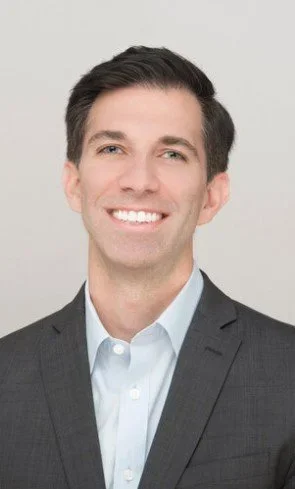
Pat Darby
https://www.darbyba.com/
IG: patdarbybiz