Kayla Girgen RD: Glucose Monitoring, Bariatric Surgery, & Nutrition Tracking
Guest : Kayla Girgen RD
august 17, 2025
Steve Washuta
Welcome to Trulyfit. Welcome to the Trulyfit podcast, where we interview experts in fitness and health to expand our wisdom and wealth. I'm your host. Steve Washuta, co founder of truly fit and author of fitness business 101 on today's episode, we have on Kayla Gergen, an RD who specializes in bariatric surgery patients, as well as the author of ruck fit, a guide to start your rocking journey. Today, we're going to speak on the following topics, continuous glucose monitoring and RDS role in bariatric surgery patients, gatekeeping, nutrition advice, the pros and cons of tracking your food, rucking and so much more.
Steve Washuta
You can find everything about Kayla at K, a, y, L, A, G, I, R, G, E, N, R, D, on Instagram. I will also provide links to her IG her website, and the pre order of her amazon BOOK link for ruck fit in the description, with no further ado, here's Kayla and I. Kayla Gergen, welcome to the truly fit podcast. Why don't you let my listeners and audience know a little bit about you, what you do day to day in the health and fitness and medical industry.
Kayla Girgen
Yeah, thank you for having me. I think, like you, getting into the nutrition and fitness space. I was kind of started out in the corporate world, and like you, it was very unfulfilling. So on my kind of free time, I would say I was looking into a lot of nutrition and fitness magazines. This was before we got all of our information from Instagram. And really, I found myself, like, looking at nutrition. I actually started my personal training certification. That's really how I kind of, like, branched out of the corporate world, and that's when I found out what a registered dietitian was. And here I am. Now. I work primarily with people or women after bariatric surgery. And one thing that I really use in my practice too now is continuous glucose monitoring as well.
Steve Washuta
We're going to talk about all that. But after that introduction, I first have to intervene with a question I think is important. Did you find that being a personal trainer didn't allow you the ability to help people on the nutrition side, which was important, and that's why you sort of pivoted to rd, because I feel like that happens often.
Kayla Girgen
I would say it's a two part answer. I would say, first of all, I started training people, and I found that I was training less myself, so that was part of it. I feel like, in a way, some of the training kind of sucked the fun out for me. And then yes, I would say I wasn't able to maybe prescribe macros. For example, I was really interested, I think again, like bodybuilding.com, was probably one of my favorite nutrition resources.
Kayla Girgen
And just seeing, like, what somebody could do, you know, on, you know, kind of observing that industry, what somebody could do just through nutrition, I really wanted to dive deeper into nutrition and just get into that. So I think part of it was a selfish journey, too. I was always kind of looking at how I could manipulate body weight or get more muscle gains, and I felt like nutrition was really a key piece. Because, as we were talking before this, this is, you know, it's not just nutrition, or it's not just exercise. This all kind of fits together as a big puzzle. Yeah, you really
Steve Washuta
need all of them, and it's a problem in the industry. We were going to get to it later, but, you know, we already hit on it, so let's just get it, so let's just get to it now. Because, you know, as a personal trainer, I'm not really supposed to give diet advice right up to a certain extent, right? You can make general recommendations, but we're not supposed to do that. So it's really difficult because you're working with clients, and as you know, the goal is going to be so much predicated on the nutrition side of it, right, weight loss, muscle building, whatever it is, vanity. If you're not including nutrition, it's not going to work.
Steve Washuta
So what are your thoughts on either working like, in conjunction with personal trainers? How much leeway Do you think people in my industry should be given? Do you think even like, let's say, the lower level certifications in nutrition should give them any leeway to actually talk about these things. What are your general thoughts and specific thoughts on this?
Kayla Girgen
Yeah, I know I love this question, because I think there's a lot of excellent coaches and personal trainers that really know their stuff, and I know there's a lot of dietitians that are really like, stand their ground, and they're like, We shouldn't be, you know, getting nutrition information or macros from your your coach, but or personal trainer more specifically. And I think there's some really excellent coaches.
Kayla Girgen
And then I think on the other end, there's maybe, you know, some people who are just really new to it. I think that people are naturally going to their personal trainers, or somebody that they feel comfortable with. And I think having that relationship and somebody you really vibe with is important because they know you you know more than me coming from the outside with maybe you know RV credentials, knows you and they might be able to find something.
Kayla Girgen
So I don't think that, I think that personal trainers are 100% in the right place, giving kind of some general guidelines, really, where I think dietitians are set apart is we have what we call medical nutrition therapy, or mnt. So we're really getting into, like, disease specific things, where we're really dialing into certain specialty areas and really using diet, I think, to leverage or minimize symptoms or disease states. So I would say, when it comes to maybe more of that, then certainly get your, you know, your information from a dietitian. But I think that there's really a lot of nuance. To that as well. So I don't know if I answered your question.
Steve Washuta
There's no great answer to this. Honestly, I've, yeah, I've thought about it long and hard, and I've even given like, ends of the spectrum difference answers, like one day to the next day, meaning like, one day I'm like, there should be hard and fast rules. Like, no one should give any information outside of this. And then some days I'm like, actually, know it should just be the Wild Wild West, like, let the cream rise to the top.
Steve Washuta
The best information goes it is really difficult. I do think if you could structure it a particular way, like inside of a business model, the best way would be to have someone like a Kayla who is an RD, and then have people underneath you right, like a Steve who might have, you know, a bunch of different certifications in nutrition, but I don't actually have a degree in nutrition. And then I work underneath you. I'm allowed to do maybe 80% of the things you're allowed to do.
Steve Washuta
I confer with you before I reach back out to my clients, right? But when it gets difficult, when there's an actual issue with the client, I send them back up to you, right? No different than, let's say, you know, my wife is a physician. She has an NP or a PA or an RN underneath her, right? So they work in conjunction, but at some juncture, things get sent upwards, and then sometimes, when it's easier, things get sent down the chain.
Kayla Girgen
Yeah, absolutely. And I think too, from the client's perspective, I think they really respect that too. And you're like, okay, maybe I don't know the answer, or I'm going to collaborate with someone else to maybe, you know, dial things in a little bit further. So I think clients appreciate that a lot, and you're giving them, I think a little bit more value at that point.
Steve Washuta
You mentioned Instagram before. That's obviously where only good information is. There's no bad information on Instagram. I don't know why anyone reads journal articles. Forget about Jama. Just go to Instagram. You had to post what I eat in a day, sort of satirical. Tell me about it. Why did you write that? And what are your thoughts
Kayla Girgen
on that? Yeah, I think for a long time I really struggled with the What I Eat in a Day post, because I it really sets people up to compare, and especially in my little space of like, working with women after bariatric surgery, I see a lot of, okay, well, that person's eating this and I'm eating this, I'm doing something wrong. So I think there was a lot of comparison there.
Kayla Girgen
And the post that I did is, you know, what I eat in the day slide, and I had my food blurred out, and it was basically like portions foods and, you know, amounts that really are, you know, make me feel good. So the message was using something like what I eat in a day as inspiration versus comparison.
Kayla Girgen
Because, like you said, I feel like we are already comparing so much on social media, and when we're really kind of detailing all that out, you don't really know what's going on in the background. Again, it's somebody's highlight reel. And when we're comparing to that, I think really, it could send you in a downward spiral.
Steve Washuta
So totally, yeah. I mean, those posts always sort of gave me the ick. I never really knew why. I wasn't sure. Is it the comparison? Is it just like little bit chicanery, like you're playing to this? Is this really what you eat every day? First of all, that seems boring. And you know, you're is every single thing planned out? You're not me, right? You weigh X amount. I weigh X amount.
Steve Washuta
Our goals are different. Our age is different, our genetics are different. What is like? What is the real point of these videos, right? Is it for you or is it for other people? That's what I ask myself when I watch these videos. That's where I ask myself when I make things like, Is this for me or is this for other people? Right? If it's for me, don't make don't make the video.
Steve Washuta
So, you know, I also am totally in line with you on that. What do you believe is another? Is there another area that's like trending in your industry, where you think this is happening, like another social media, whether it's a trend or a fad, in the fitness and health and specifically your nutrition industry, where this is where you can see something similar?
Kayla Girgen
Yeah, I will say, like the hot topic right now I see is GLP ones. So looking at like medications like that, I think that there is a lot of, you know, they are fantastic medications. But then I think we maybe see some people taking it too far on one and two. So that is, I don't know where you want to start with that topic. I feel like it's very hot right now.
Steve Washuta
Do you think people sorry? Do you think people are hiding the fact that they're using them, or they're bragging about the fact that they're using them?
Kayla Girgen
I would say maybe I see more people hiding so, you know, maybe the women that I'm working with currently, maybe 40 to 50% of them are probably like leveraging some of these medications. But I know that that feels like maybe even a bigger decision, I think sometimes, because of the stigma, than doing something like bariatric surgery, or, you know, for example, someone who's had bariatric surgery, to some people, that might seem like a really extreme measure to lose weight, and now they're feeling like a failure because they still have to leverage some of these, you know, medications.
Kayla Girgen
So I think there's just a lot of shame wrapped up, and I think just kind of breaking some of that down, because there is a lot of nuance. Is it, are you just wanting to lose, you know, five or 10 pounds for vanity, or are we really trying to use these medications to, you know, maybe clear some of that food noise so we can get some good lifestyle measures like lifting weights and really focusing on whole food diet? It, for example,
Steve Washuta
yeah, to me, and I'm glad you said that some, some sort of, like, cognitive dissonance thing, where people naturally are going to want to tell themselves that they're doing majority of the work. They're doing the hard stuff to get to their goals, right? So let's, let's just talk about something that's outside of our purview, like people with really nice skin, they'll tell you, Oh, it's because I use this, like, $120 cream. Meanwhile, they're getting, like, 1000s of dollars of Botox. And I'm like, and, but they're hiding that, right?
Steve Washuta
That gets pushed to the back burner. They're like, Oh, it's this cream that I use every day, and it's the fact that I, like, moisturize. It's like, is that, or is it the Botox you've been using? And I think that goes on in the fitness and also your industry, and more than nutrition, health industry, right? Where it's like, was it the glps and the bariatric surgery? Or is it just like, your determination? Was it in the fitness industry? Was it you going to the gym for three hours a day? Or is it the fact that you're on 700 milligrams of testosterone, like, you know, what? Which one is it? And I think people want to pretend it's them when they're they're using accessories and supplemental things that really probably are doing 80%
Kayla Girgen
of the work. Yeah, that's a great I love the skin analogy. That's a great one.
Steve Washuta
Yeah, I see it all the time. I don't know much about skin, but I do know that a lot of these people, it's probably not the $120 crams, it's probably the $1,000 Botox that's going on. I did see you talking about tracking in some of your posts. I'm always intrigued about this. I was somebody who really, at a really young age, maybe like 16 or 17, I decided to start tracking all the food I ate. My friend and I got really into nutrition. We had Excel spreadsheets. We were eating very I guess you would call it almost like keto carnivore ish.
Steve Washuta
But this was before that time even really happened. And you know, I got a really good idea of being able to look at food and say, This is how many calories are in this food. This is about how many grams of fat are in this piece or in this food. This is about what I've had in a day. And just like, analyze everything. I think we did it for like six months. I was like, a sophomore in high school or junior in high school, which is crazy. I've done it a few other times in my life.
Steve Washuta
Same thing, just for maybe like four to six months. I've recorded things, and I found that it was great because I got an understanding. But I also can see a neuroticism in it. I can see where doing this to some somewhat of an extent, where you can't even go out to eat because you feel like I don't have my scale I'm weighing out my food. How do you balance that with yourself and your clients? And how do you talk about just the process of recording?
Kayla Girgen
Yeah, well, first of all, you're a rare breed, because I can't imagine a 16 year old wanting to go out of their way and do spreadsheets. So that is very interesting to me, but I think too, like you said, that neuroticism, I think for a lot of people, especially if they've dieted for, you know, decades, tracking can be a really big trigger.
Kayla Girgen
And while I think it's helpful to, like, have a data point, whether it's something you know in your nutrition that you're tracking, whether it's the scale or even steps per day, I think it's nice to have those data points just to show progress. But when it comes to food, I think it's, there's a few different things. First of all, you know what we're tracking. I think on labels, for example, it's food labels can be off by 20% so when you're really being, you know, extremely tedious, or, you know, obsessive about tracking every single thing, chances are even if you are practicing that diligence, it's probably not 100% accurate, which might scare some people.
Kayla Girgen
On top of a lot of databases, like, you know, MyFitnessPal, for example, it's a lot of user entered information, so you're relying on somebody to take that package and put everything in exactly so even pulling some of those things into your food diary, there may be a little bit of human error. So those two, you know, with the labels being off, and then also having the, you know, items that might be off in some of the databases you're you're getting a clear picture.
Kayla Girgen
But I think, again, like you said, neuroticism, and I think you can really kind of go past the point of being helpful when you're getting down into, you know, that obsession piece, however, it can be helpful. And it really depends on an individual basis. Usually I have people who just expect, like, Okay, I'm going to start working with a dietitian. I know she's going to expect me to track to, you know, track every single thing I'm putting in my mouth.
Kayla Girgen
And some people are surprised where I'm, like, putting on the brakes, about tracking and really trying to explore, like, is this going to be a trigger for other things, or maybe we're tracking, you know, grams of protein, or, you know, colors on the plate, or grams of fiber, like other things, where your nutrition tends to, you know, maybe fall to the more healthful side, if we're looking at really the big things, versus getting wrapped up in some of those minute numbers.
Steve Washuta
This is a more nuanced question, but from a business perspective, do you put that onus on your clients or yourself if you do want them to record meaning? Are you like, hey, just take pictures of what you eat. I'm gonna have a relative idea. Or do you actually try to make them kind of learn and record it and send it to you?
Kayla Girgen
Yeah, it depends on the person. So I've used, like, photo diaries for some people, and then CGM is one thing. That I've used for the past few years. So that's continuous glucose monitoring, and it's a whole different way to look at food. And oftentimes, like, the apps that I'm using, people can do, you know, a really short description, or upload pictures. And I do love pictures, because I think it really gives me a perspective on, you know, portions, and also gives me an idea of, like, how processed somebody's diet is how many colors are on the plate.
Kayla Girgen
So it really gives me a good idea. Plus, I'm seeing, are people plating it, or are they standing at the pantry? And, you know, eating too, even eating from a plate, can make a big difference. So I will say that it really depends on the person. Sometimes we'll move through and start with something like, you know, using glucose data, and then look at things like macros, and then eventually, you know, really, my goal is to have have it where somebody's not tracking long term.
Kayla Girgen
That's really not the goal. If anything, maybe it's like a recalibration every few months where, you know, naturally, I think people tend to go towards, you know, higher carbs, or don't think that, you know, five ounces of chicken and is as much as they think. So I think nice. It's nice to use that as a maintenance tool, more for recalibration.
Steve Washuta
Let's go over the CGM, while you just mentioned it, I have a few questions on it. First, you can just go high level and explain what it is and how it's used in day to day, with with your clients, or with yourself or whoever, but also from a, I guess, like a data and statistics thing, I'm always intrigued about, you know, when is, when? Is there too much data, right? So again, I'll try to give another analogy in that, you know, I know nothing about cars, but maybe you lift up the hood of a car and you see that there's, you know, something slightly wrong, right?
Steve Washuta
Maybe there's just, you know, a little bit of oil off, and although the car was running totally fine, now that you know those numbers are off, you're like, you're centrally focused on that, right? And you're trying to, you're trying to mess with that sort of, it's like an intervention that might have not needed to happen. Does that make sense? So like, how do you know when to start it and when when to intervene and when not to intervene?
Kayla Girgen
Yeah, and it depends on somebody's symptoms usually coming in. So I feel like, primarily, I'm working with women who want to lose weight, or even after bariatric surgery, there's a lot of kind of blood sugar complications that can come with that. And I think at a high level, CGM is, if you've seen somebody with a sensor on the back of their arm, really, that's reading their blood sugar in real time. And what we know is that when your blood sugar is variable, so it's jumping high, it's jumping low, oftentimes your energy is going to follow that.
Kayla Girgen
So if you find that you're, you know, buzzing one minute, and then you're just like, extremely fatigued the next, or you're eating every couple of hours. You can't sleep. You know, all of those symptoms I feel like can be wrapped up or tied back to blood sugar oftentimes. And when we're able to smooth things out, oftentimes, people's appetites are a lot more managed. They feel like some of that food noise naturally is coming down because they're not thinking about what they're going to eat an hour from now.
Kayla Girgen
And I think mood, sleep, all of that improves. And when you have the energy to do things like workout, it just, you know, all kind of wraps together. And when we're looking at things like CGM, I can see things on my end. So it's a great accountability tool as well, from kind of a business or a coaching perspective, I think that that accountability is really key. So we get some great data, and it helps us look at food from a different point of view.
Kayla Girgen
So instead of counting calories, we're looking at metrics like blood sugar or how variable it is. And I think for a lot of people, it can be very eye opening, because maybe the fruit that they're having every afternoon is sending their blood sugar spiking and tanking. And, you know, we think fruit is a healthy snack, but it's primarily carbohydrates, so even some of those, like what we consider healthy snacks, can really send people's energy and appetite really all over the place.
Steve Washuta
Can you paint a picture of what the data looks like in my head, it's like a Richter scale, like something going up and down or something, right? So can you could, could you, like, work backwards? Could you look at somebody's data and know what they're doing without asking them? Be like, Oh, you must have had something that was high carbohydrates at 2pm yesterday,
Kayla Girgen
for sure. Yeah, I oftentimes, I'm like, did you forget to log a meal? So that is, it's great accountability. But I think lifestyle can show up in there too. So, like, stress, for example, some people just have a more drastic stress response. So we can show that. I've seen some people spike more than like a meal alone. But to give you an idea, like, oftentimes I see people like you said, you're just up and down and up and down. So it's almost like these sharp mountain peaks.
Kayla Girgen
So they're going really high and they're dropping really low. And what we're aiming for is taking those mountain peaks and really turning them into more rolling hills. So the goal isn't to have a flat line for glucose. That's just not realistic. We're just trying to smooth them out a little bit. And I think when they do, you know, say, Spike really high. We my biggest thing is, let's make it worth it. So there's always going to be holidays and events and desserts and things like that.
Kayla Girgen
If you're going to, you know, Spike and, you know, Crash and Crash and Burn afterwards. Let's make it worth it, like for some people it is. And then some people, they're just more intuitive, going, well, I know that x makes me feel why I'm going to do what I can to prevent it. And I think oftentimes we can think about not only what they're eating, but even how.
Kayla Girgen
So maybe we're starting with protein and vegetables. Then we're saving the carbs for last. And there's little techniques that we can do that go beyond just calories or protein or what they're eating. We can really kind of talk about things like food pairing or meal timing, and that makes a tremendous difference, I think, in the long term, and finding something that's sustainable.
Steve Washuta
It's interesting how bad humans are. I am too, with, like, numbers and exponentials. So you just talked about us, like, yeah, just, if you're going to do it, do it. Don't do it all the time. Just you have it out. It's like, that reminds me of, like, I, you know, clients who are like, well, you know, I just have a glass or two of wine, like, four or five nights a week. It's like, well, you'd be better off just like, going at it on a Friday, because if you just just do the numbers.
Steve Washuta
So of course, a month, right? There's four Fridays in a month, if you have four glasses, have four glasses of wine, and that's 16 glasses of wine that month, but if you have two every three days, right? Just, just do the math, right? You're having exponentially more here because of just how many days there are. And I think there is that's a problem, right? In the in the health industry, in the fitness industries, is probably maybe an inverse way.
Steve Washuta
Well, I'll talk about this in a second. Where, in the nutrition people like, well, I just only have like, you know, one unhealthy thing a day. It's like, well, that's going to add up, right? It's going to add up. And in the workout world, sometimes it's the opposite. I have people just like, well, you know, on Friday I ran 13 miles. It's like, well, yeah, but you didn't do anything else the whole week. Like, you can't, you can't just run 13 miles. Like, in the fitness world, it's actually better to be like, Oh, I'm just gonna do a little bit every
Kayla Girgen
day, exactly, exactly. And I think finding that, like, balance sometimes, I don't always love that word, because I think, you know, when you talk about balance, it's, you know, natural to have different seasons of life where you can, you know, focus on one thing, something's on the back burner.
Kayla Girgen
And I think, you know, in the scope of something like CGM, I feel like it just really helps find out, like, how to eat for real life, because we were kind of talking about, you're just all in, or, you know, all out on some things. And it helps find that middle ground oftentimes, because I find especially whether it's fitness or it's nutrition, it's really easy to be all in for a little bit. But I think playing the long game and just trying to, like, stick it out and find different tactics is really the hard part.
Steve Washuta
What are the standard bariatric surgeries that one may get that you've worked with, or at least a few of the surgeries that you're familiar with? I don't need you to tell me about the all the surgical interventions. I know that's not your expertise, but at least from your client's perspective, what can a personal trainer expect if they have a client who's obese and is going through this,
Kayla Girgen
yeah, I think a couple different surgeries. So the ones I see most often is the first is VSG, so it's vertical sleeve gastrectomy. And really that's just manipulating the stomach so the person's going in for surgery, and it's purely restrictive, so you're basically removing about 80% of the stomach, and the the patient's left with like a banana shape, almost.
Kayla Girgen
That's how it's get that's how the surgery got its name. The the stomach kind of looks like a sleeve. There are a little bit of hormonal benefits, because you remove some of those hunger hormones, and that surgery is purely restrictive compared to something like gastric bypass. Is another common one. You get that restriction volume wise, so it's restrictive, but it's also malabsorptive, so that meaning that you're actually kind of rerouting some of those absorption spots in your small intestine.
Kayla Girgen
And that one tends to be, you know, maybe for some disease states like diabetes or somebody struggling with acid reflux, people tend to maybe gravitate towards that versus the sleeve, for example. But I think from a personal training standpoint, I'm always pushing people to start lifting as soon as they get that clearance from their doctor or their surgeon. Because I think one of the biggest mistakes that I see is people are going, I'm going to lose all my weight and then I'm going to tone up.
Kayla Girgen
And as you know, I think it's really easy to or I should say it's really difficult to put muscle back on. So if you can preserve as much muscle and lose the least amount of muscle, because naturally, with weight loss, you're always going to have a little bit of muscle loss. So if we can minimize that and hold on to the muscle you've got. Yes, the scale might move a little bit slower, but I think in the long term, that really sets people up for success.
Steve Washuta
I'm trying to think of the medical term that physicians use. Maybe RDS do as well, where, when people are leading into a surgery, have to sort of meet a criteria. They call it something, do you know what
Kayla Girgen
that's called, like a prerequisite? Maybe? Yeah, I
Steve Washuta
think maybe there's some other fancy word for it, but essentially, it's a prerequisite, and that's what I was hinting on here, is that a lot of times they won't do these surgeries until you're able to meet a prerequisite. Is that correct? So that they know, number one, that you're that their likelihood of this surgery working is going to be higher because they know you're willing to put the work in on the front end, and then in turn, maybe on the back end.
Kayla Girgen
Yeah, exactly. So some like the comorbidities, a lot of times you have to have a BMI of a certain point. And maybe, you know, high blood pressure, high cholesterol, diabetes, anything like that. I think depending on where your BMI is at, will qualify you. Some people do pay out of. Pocket for bariatric surgery. So that's one way I think, to get around some of those prerequisites, or things like that too.
Steve Washuta
There was a physician I had on. His name evades me, but he was a bariatric surgeon, a gastroenterologist and an interventional radiologist, and he had, like, a very unique surgery wherein he basically, like, just singed the hunger nerve using interventional radiology and found it. You know, very successful. Obviously, he was similar to us, where he believed in more of a holistic practice.
Steve Washuta
I hate that word, but what I mean by holistic is just like using both nutrition and fitness and medical to make sure that these people did it. But I think he had, like, very stringent requirements in which he wasn't just going to do it to anybody. He said, like, I need to know that you're in this so, like, unless you can lose 20 pounds before the surgery, I'm not going to do it because I don't want the surgery not to work. And you have to be working hard, basically, before and after to ensure this works. This isn't a miracle,
Kayla Girgen
right? And I did see that. So in my background, I did work at a weight management clinic where we oversaw bariatric surgery, and oftentimes there was a requirement to lose, like, say, 10 pounds. Sometimes it was 20 for people. And I think that was very intimidating for a lot of people, because they're coming to the clinic in the first place, going, that's why I'm here. I can't lose weight.
Kayla Girgen
And I've actually seen some cases where, you know, weighing patients with all of their clothes on, holding their purse just so they can meet certain weight requirements. Or, I think what drives me crazy is you're not heavy enough to qualify qualify, or your BMI isn't high enough to qualify, or they're point, you know, a 10th of a point away from being able to qualify for something like bariatric surgery, where insurance would cover, and I think that's the stuff that really rubs me.
Steve Washuta
Oh yeah, totally. I mean, and then, and then, what do you do? You just throw them back into the pool, and the next time you come back, you lose or gain the appropriate amount of weight, or as insurance just say, Nope, sorry. You're you can't, you can't reapply for this.
Kayla Girgen
It's crushing. I know it's like, basically, go gain 20 pounds and then come back and we can start this process.
Steve Washuta
Yeah, well, that's a that's a whole nother conversation. We're not, we're not going to solve medical terms in America, right, although I've tried. So we talked a little bit about this before. But how do you collaborate with other professionals? So you were a personal trainer. So you know about personal training, obviously you work alongside. You just mentioned it, people who are doing bariatric surgery. How directly do you work alongside? Do you contact them in advance, afterwards? Do you have people to send your clients to? As far as personal training? Do you help them? How does that work?
Kayla Girgen
Yeah, I have a referral network from anything from you know, personal trainers. I think therapists are another one that I work, you know, quite closely with as well. I have communities like Barry nation, for example, who really kind of is a hub for people who've had bariatric surgery to reach out for support. So I do like bi weekly nutrition meetups, where they can come get some information, you know, from a dietitian. And really just kind of a casual office hour where we can hash out and troubleshoot, and then attending events too. So I'll host online events with other specialists or mindset coaches, and, you know, attend events in person too.
Steve Washuta
How does that work? There's like, Zoom meetings.
Kayla Girgen
Yeah, Zoom meetings. We'll do, like, I've done free workshops with people. And I think that's fun, because then you really get to kind of get your reach out there a little bit more and, you know, meet new people. I think that's the amazing thing about the internet and social media. Yes, there's some things we don't like, but you also get to connect, you know, like today, for example.
Kayla Girgen
You know, had it not been for things like social media or the internet, we get to make these really awesome connections or meet new clients as well. So I would say the in person is really fun, though that's something I haven't had bariatric surgery, but I think witnessing, you know, some of those people, like who've been online Best Buddies Forever, and like, meeting for the first time is a really cool experience.
Steve Washuta
Yeah, I love seeing those videos, and that is one of the better parts about the internet, at least in our industry, although I would say, unfortunately, that's probably more bad than good, I struggle with that dedicating time to me. We don't live in a vacuum. So like every hour you dedicate to like social media, it's like I could be either helping a client or with my family or doing something else. So I think that is a really hard line to balance.
Steve Washuta
Let's talk a little bit about that with, with, with an RD. Do you feel like, no, let's, let's say somebody's 22 they're just graduating college, they're about to go into their next venture. They go, I want to be an RD. They're going through the process. Do they need a footprint on social media? Can they do this without a footprint? Do you suggest maybe they maybe they don't. Maybe they do. How would you got a young, 22 year old girl that goes, I'm, you know, Kayla. I want to be an RD. What should I do as far as my social media and, like, the business side? How do I build it?
Kayla Girgen
Yeah, I think the biggest thing is setting boundaries. Because I think a lot of people, you know, certainly, if you want to have an online business, you have to have some sort. Of a presence. But I think sometimes, like you said, it can feel like an energy suck. Sometimes, especially maybe nowadays, our brains just aren't meant to handle all of that.
Kayla Girgen
And I think, from you know, another standpoint, it's really nerve wracking to put yourself out there, or know that somebody's probably going to be fact checking, or, I think developing some really thick skin, and I think there's no way to really get around it than just to starting your first few videos is going to be painful to watch. Even looking back to six months ago, I'm like, Oh, you just want to delete and archive all your posts. So I think that just with more reps, you get more comfortable with it.
Kayla Girgen
And I think that is really going to help find I would say who you like to work with, but then I think just as importantly, you know who you don't like to work with, because I think, like any sort of, like physician specialties, and you probably see this in personal training too, you know, you're gonna find those like avenues where you're like, Okay, I really like this specialty. Not so much this one, so I'm gonna stick here and, you know, maybe refer out. So I think it's nice just for also networking, but then also lead generation as well from a business standpoint. So certainly you don't have to have a presence, but I think that it certainly helps
Steve Washuta
I do. I think that it helps, but I think it helps more with what you do than what I do. And why I say that is there's more of a performative live aspect of being a personal trainer than there is an RD, right? You're no different than you're a counselor or a tutor, right? You're sitting down, you're talking to somebody, you're going over things, you're looking at documents. I'm up and moving right? I'm showing movement patterns, I'm lifting weights, I'm I'm I'm showing my expertise in particular movements, right?
Steve Washuta
So there's more of a live performative thing that, if you're in a gym, that people can see you gain clients just off of that. Can that be done online? Yeah, in some respects, right? You can make videos of yourself doing that. But I do think because of what you do where it's a little bit more of that one on one talking scenario, that it's even more important to have that, to have that sort of online presence where you can show people another side of you, where people in the gym can see what I'm doing, if that makes sense,
Kayla Girgen
absolutely, you're more like boots on the ground, yeah, yeah. And there's people
Steve Washuta
everywhere, right? Like an RD, doesn't they're not just like walking around a random gym, like talking to people, right? There's not like, giant places where you're like, Hey everybody, I'm just going to give everybody, I'm just gonna give you a random nutrition advice. Like, people just tap you on the shoulder, Jim and be like, Hey, I'm doing this exercise. Am I doing it correctly? Right? So, like, you just, there's more Meet and Greet availability, right? And potential, where you don't have that in more of a counseling type environment, which, which you work in, right?
Kayla Girgen
And I think I missed that a little bit, like some of the face to face I think going It's amazing online, you get to connect with so many people, but I think that's one thing that I do miss, just from the clinic, is like sitting there being face to face with someone. Yes, we get a lot of that, I think, with Zoom Now, thankfully, but some of that in person, connection and accountability is really great too. So whenever I have you know someone who's looking to get into something like strength training, for example, as much as I can, you know, give them like a written plan.
Kayla Girgen
I always love when they have a personal trainer who can really guide them, like you through the processes, because it's one thing for me to, you know, watch a little video of form, but to be able to cue and be there in person is just a totally different game. And I think personal trainers bring so much to the table, because there's such a knowledge gap. And it can be very intimidating to learn how to use machines or go through the movement. And I think as people build that confidence, that's a skill they have for life.
Steve Washuta
Speaking about the knowledge gap, where I see the knowledge gap between personal trainers and let's say RDS is in health as opposed to vanity. So I do think a lot of personal trainers understand what to eat from a vanity perspective, right? They can tell you, Okay, this is how many grams of protein we're going to need, right? This is a ratio of foods we're going to need, but that doesn't necessarily to health, right?
Steve Washuta
As I coined the phrase TM health is in your labs, not in your apps. So like, they don't understand what foods they're going to be eating to help from a lab work perspective, right? So yes, could they guide you to get up on stage, maybe, which is really difficult. You need a lot of good information. That doesn't mean that doesn't mean you're healthy.
Steve Washuta
So I think that's where the knowledge gap is. But the knowledge gap is, it's, it's naivety, because they don't, they don't think those two things are different. Does that make sense, right? The person is like, oh, yeah, I can give them, I can give them a diet. I can make them lose 10 pounds. It's like, oh, you can make them lose 10 pounds. But are you doing in a healthy manner, right? Are they a healthier human than they were 10 pounds
Kayla Girgen
ago? Right? Exactly. And I think looking at that too, like you had mentioned, like getting stage ready, I think you see oftentimes, like, after that, the rebound to just going from being super obsessive about everything that's going in your mouth to, you know, I think it's pretty, you know, clear. You always see the people with the big donut or, like the sweets, like, just basically full out binge afterwards, after a competition. So I think looking at the full health perspective, and I love the health is in your lap. Labs and not your abs, because, sure, you could be following your macros to a T, but your labs could be telling a whole different story.
Steve Washuta
I've seen a little bit of a backlash in your community. Again, we all see different things on social media. We have our algorithm is sort of built to us. So if you've watched a video all the way through because it angered you, you're going to get rage bait all the time. But what I see in your community was that there was a, I guess, a very, for lack of a better term, like a masculine push to, do you know, just maybe, maybe not even, let me say that there was a very diet specific push, only eat meat, only be vegan, only be vegetarian, only eat this, only eat fruits.
Steve Washuta
So now I see a lot of dietitians who basically say, oh, eat whatever you want, whenever you want. Whenever you want. Doesn't really matter. They're basically like, not dietitians, right? They're just, just a backlash against all the bro science. And they're like, you're fine. Eat whatever, eat Doritos, eat nachos, just do it like and it's going the other way. It's, it's, it's too, too open, too vague. Do you see that? If you are one of those people tell me why, what exactly is going on in that part of the community?
Kayla Girgen
Yeah, I think what you're talking about, like, you see the like, non diet dietitians, for listeners, I'm doing my air quotes, like non diet dietitians, or like Health at Every Size, or intuitive eating, so really, kind of letting your body guide you, and I think for so long, like, that's scary for a lot of folks, because if we were to left to our own devices, I feel like, you know, all you need is like cookies and Doritos all day, and I think especially for people who've dieted forever.
Kayla Girgen
So I think that some of those methods just don't give people the structure a lot of times that they need. So I think that there's maybe a happy balance where, yes, we can maybe lean on some of those intuitive things, but I think a lot of people are just really nervous to trust themselves again.
Kayla Girgen
So I really admire people in those spaces for that's just not for me. I think I like to have maybe a little bit more data to go off of, and I think that's one reason why I really gravitated towards something like continuous glucose monitoring or CGM, because I was one of those people. I think one thing that's not always recognized is just the rate of, like, disordered eating in the dietitian community, which doesn't get talked about a lot, and that's what sends people, I think, on this path for looking for more information.
Kayla Girgen
And I think for me, for example, you know, struggling with things like emotional eating, I was able to use a tool like CGM and really be able to still enjoy some of those foods that I love. Have some concrete data behind it. But then also, you know, have something where I'm not sending my blood sugar off the charts and rebounding, or you get feedback in a different way that's outside of calories or grams of protein and fat, where you can really connect how you feel to how you eat. So I feel like that has been a really insightful tool that I just love leveraging.
Steve Washuta
It's such an important point, and it's not a disqualifier, it's just a fact, right? People in different communities are there for a reason, and a lot of times it's because they had an issue. For a lot of people who are in the personal training industry, or people want to get up on stage. It's not because they were the biggest person in school. It's because they were the skinny kid who got picked on, and then they decided, I'm going to get big, I'm going to get strong, I'm going to take steroids. Right? A lot of times, dietitians are in it because there was some sort of disordered eating problem, right?
Steve Washuta
Again, not a disqualifier. It's just it needs to be said, and sometimes that leads them to a path to be a non diet dietician, because they believe that everybody else is also going to have the psychological issues that they may have leading into it, which is fine, if that's the community you're working with, but I do feel like so I intuitive eat in a sense, right? If maybe not how the definition is.
Steve Washuta
But I don't really think about what I eat. I don't really plan what I eat, because I work out six times a day, and I I want healthy foods, so I but I worked my way up to that, right? Is it was a development that happened over the course of 15 years. It wasn't like overnight, someone said to do this. And I think that's another big part of this thing, is that just like health and fitness, like there's no shortcuts here, you have to work with someone, and it's going to take a really long time.
Kayla Girgen
Yeah, long time, exactly. And I think that's kind of a hard pill to swallow. Sometimes when things just don't change overnight, or you're gonna screw up a lot before you really kind of try and find that balance. And I think when it comes to something like, say, disordered eating, or things like that, it's not like those things really ever go away.
Kayla Girgen
It's like, maybe we're just trying to minimize the frequency, for example, or, you know, make your bad days, for lack of a better term, like, less bad. Like, let's make it a little bit easier to bounce back when, you know, things go do or things will go haywire. What can we do to really, you know, build up that resiliency.
Steve Washuta
But what's the ideology from the top? I would say. So, like, is there an RD establishment? So, like, my wife is a pediatrician, right? So there's the American Academy of pedia pediatrics, aap. And I read their stuff all the time, and there's an ideology to AAP, right?
Steve Washuta
So they're, they're trying to teach people want, like, a particular way. And this isn't, like, political, I just mean, like, from a medical perspective, right? How they do things and things change over time? Is there, like, an i. Ideology behind, like, the the powers that be in the rd, like, Yeah, we should all be non diet dietitians.
Kayla Girgen
I don't know that there's a specific like, one way. We do have the CDR, the Commission on this commission, on dietetic registration, and that's really who oversees a lot of like, the board certification. They have extra things like, where you can be a certified sports dietitian, or some of those other specialty areas. But I think they really keep it open for some of those specialty lanes. So like the sports dietitian for you know, things like weight management, that's another certification. So I think there's not a one right way for that either.
Steve Washuta
That's great that there's not, not somebody from above. So when do you go to live CME things?
Kayla Girgen
I It's been a while since I have, I think so much of them are virtual. But yes, I've done, I've done some events too, just for other dietitians, doing continuing education. So I've done, you know, anything from like continuous glucose monitoring to talking about things like intermittent fasting. So I've been a part of panels for things like, you know, extra CEUs, because, you know, like you in personal training, that's one thing to keep up. Our credentials too, is you're always, you know, doing X amount of continuing education every year as well.
Steve Washuta
We're just briefly going to touch on this, because we're gonna do a whole episode on this down the road, but you are currently writing a book, or done with the book, it's going to be released in the near future. Tell us a little bit of what it's about and when and where people could potentially find this in the next upcoming months.
Kayla Girgen
Yeah. So I wrote a book about rucking. If you're not sure what rucking is, basically it's walking with weight. And again, the wonderful, wonderful world of social media and the internet. I was really connected with my agent through this, and they approached me with the book concept and saw that I was sharing a lot about it. And I absolutely love rucking among CGM.
Kayla Girgen
Those are my two favorite things to talk about. And basically went on this journey over the past year and a half, writing a book about rucking. And one thing that I love is it's just accessible to anyone. So regardless of fitness level age, there's so many benefits from, you know, increasing your musculature to, you know, building endurance. You get some bone density benefits. But then I think psychologically too, there's a lot of emotional benefits from, you know, basically you're walking with weight outside and spending more time in nature.
Kayla Girgen
That can be, you know, some of those, again, stress relief, emotional benefits, mental clarity. So really, I think there's a broad range of benefits. And the book was really designed to be for anyone from a beginner who has no idea what rucking is all the way up to someone who's maybe been rocking but wants to scale things up a little bit. So there's everything from a 5k training plan to a half marathon training plan. And using your ruck, basically, that's your backpack with the weight in it.
Kayla Girgen
We have all kinds of visuals for using that for strength or more weight bearing exercise as well. So what was really important to me was not only having this kind of base rocking plan, but really filling in the gaps on mobility, building some strength in there. And then, of course, I had to do a nutrition chapter, and then wrap it all up with a little bit about mindset. So that will be coming out January 2026, and as you know, you know, it's a very enduring process writing a book and everything takes a little bit longer than you hope, but I'm super excited for that to be out soon.
Steve Washuta
That sounds really interesting. In my mind, it wasn't going to be as practical, and I think that's fantastic, that you have actually programs and how tos in there, as opposed to just like, Hey, these are the benefits of rucking and the science of rucking. That's what I thought it was going to be. The fact that you actually have the practical side be like, No, this.
Steve Washuta
This is a program to do if you've never done it before. This is a intermediate program. This is a moderate program. I think that's fantastic that you have both of those in there. Tell me a little bit about the process of writing a book as a fellow fitness and health author, was it a struggle? Did the words just flow off the page? Did you get stuck anywhere? Did you have a little special place you went to write only? What was the whole process?
Kayla Girgen
Yeah, I really wish I had that, like, unlimited amount of inspiration, right? Like, you get this idea you're going to write a book, and then I thought I was going to sit down with my cup of coffee every morning and knock out a chapter. And I think what I really underestimated was the amount of discipline. You don't ever, I think, really feel motivated to write maybe five to 10% of the time, but it took a lot more discipline than I anticipated. So really, you're waiting, you're not waiting there for your inspiration.
Kayla Girgen
You're, you know, writing and the editing process is really, I think, another thing that was that feels monumental at times, but I think that's really where you know 10% of what your writing really comes to shine, and you can build off of that. So you might be writing, writing, writing, and you are going to be hacking and moving things around.
Kayla Girgen
And I feel like that editing process has. Has been one of the really interesting pieces to see what you start with and then what that next version looks like, what the next set of revisions, it really transforms, I think, as it gets to more hands. And I'm so thankful for the amazing editors that I've had with my publisher, countrymen, press, and they've really done a great job of taking my long windedness and re wrapping it into something more concise and really helping throughout that process. For this being my first book,
Steve Washuta
it is a very difficult process to edit properly. Those people do not get enough credit. I worked with people initially was not going the way I wanted it to. I started to handle it myself. It is so difficult, right? You need professionals to do that sort of thing for you, what I found really difficult was putting things in order so that everything flows appropriately. I could write for days if it's just writing about the different areas that I wanted to expand on.
Steve Washuta
But that's not just the purpose of a book, right? It has to flow. It has to all go together. What is do you put it in an order of you know what you should do first, as opposed to, like, the explanation of said thing, and what if the order that you want to go in, is it very obvious that that is a lease, that first chapter or that initial thing isn't as exciting, right?
Steve Washuta
That's another portion of it, right? How many people, how many times have you opened a book and not finished it? I don't know. I A lot of them for me, right? So that was another struggle, too. It's like, yeah, if I'm going to put this in some sort of order, this is the order I want, but this isn't as exciting as this part. Do I want to kind of flip these to get people? Get people more intrigued so the whole process is more difficult than people think. And you know, hats off to you for for finishing it while also working at the same time.
Kayla Girgen
Yeah, it is. Yeah, it's a labor of love,
Steve Washuta
for sure. Well, let listeners know where they can find you, on Instagram if they want to reach out to you personally or professionally, and then also where, if and when they can find your book, although you will be back on probably sometime in December to talk about that more.
Kayla Girgen
Yeah, absolutely, you can find me at most active, I would say on Instagram, at Kayla Gergen rd. And if you want weekly kind of tidbits, I know we were talking about social media and boundaries. I'm not always the best at showing up, but I am religious about sending out a Monday newsletter. It's got free tips, whether it's nutrition mindset, recipes really kind of spans that like holistic point of view.
Kayla Girgen
And my goal is just to kind of pack a lot of value in on Monday morning to help you win the week. And you can always stay in touch with me there and then. The book is available for pre order right now on Amazon. It is called ruck fit. So if you just search ruck fit and my name, you'll find me there. Otherwise, I will be you know, you're part of my newsletter. I'll be sending out some some links in there too.
Steve Washuta
I'll put all the links in the description below the video portion of the podcast. My guest today has been Kayla Gergen. Kayla, thank you for joining the Trulyfit podcast. Yeah, thank you so much for having me. Thanks for joining us on The Trulyfit podcast. Please subscribe, rate and review on your listening platform, and feel free to email us. We'd love to hear from you social@trulyfit.app. Thanks again.
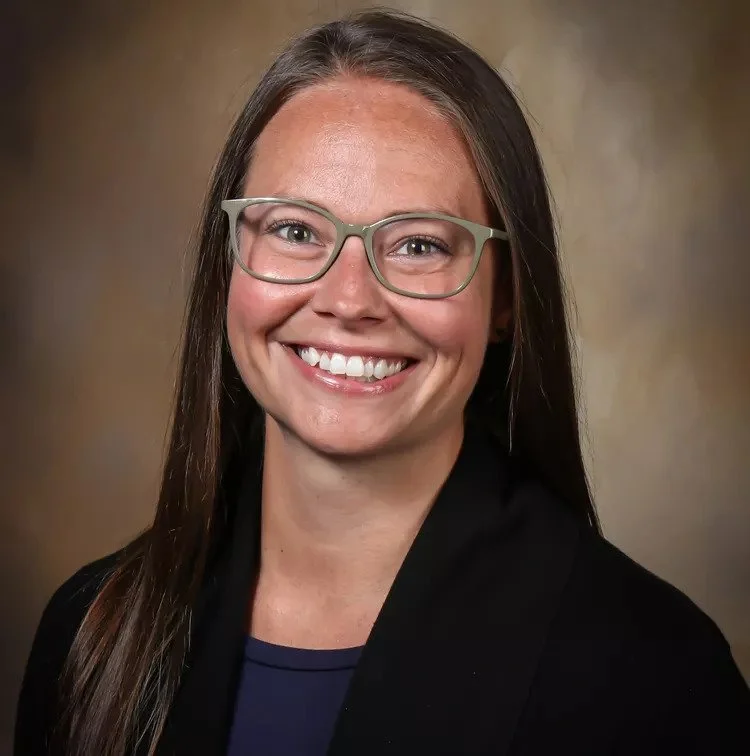
Kayla Girgen
IG :@kaylagirgenrd
Website : https://kaylagirgenrd.com/
Ruck Fit: Build Strength and Endurance by Walking with Weight - https://www.amazon.com/Ruck-Fit-Strength-Endurance-Walking/dp/1324111526