What is the Endocannabinoid System?
Guest : Dr. Chris Swart
may 22, 2023
Steve Washuta
What exactly is the Endocannabinoid system? And is it recognized by medical professionals? What is the science behind the effectiveness of CBD? What are the physiological mechanisms that may show if your endocannabinoid system is deficient? And will this industry still exist in 10 years? Or will Big Pharma come and swoop in? We discuss all this and much more in the upcoming episode.
Steve Washuta
Welcome to Trulyfit. Welcome to the Trulyfit podcast where we interview experts in fitness and health to expand our wisdom and wealth. I'm your host Steve Washuta, co founder of Trulyfit and author of Fitness Business 101 on today's episode I speak with Dr. Chris Swart. Go find everything about him at coach Dr. Dodsworth on Instagram.
Steve Washuta
That is Dr. Spelled out he is an exercise science professor. He has his PhD in exercise physiology. And he does such a fantastic job of taking very complex science ideas and breaking them down into more digestible ways for us people in the fitness and health community or just the general population to understand things easier.
Steve Washuta
And he is going to do that today. By talking about the endocannabinoid system, I thought, What is this woowoo nonsense does this even exist? It does. There's science behind this. Dr. Schwartz talks about all the science behind this. And I think it's important to say up front here for anyone who is confused because I was this has nothing to do with taking exogenous chemicals, right? This this we're going to be talking about CBD and THC and things of this nature.
Steve Washuta
But your endocannabinoid system is already firing in the background trying to get you back to homeostasis and doing other things regardless of taking any exogenous chemical. So I just want to make that clear on the front end. But we do talk about CBD and its benefits. We talked about the pharmacological advances that they've made, let's say and using CBD to help adolescents seizures and we also talk about just the you know, the deep science behind the endocannabinoid system and what it does and what it can potentially do and research coming down the pipe.
Steve Washuta
Fantastic conversation again, follow him at coach, Dr. Spelled out dot Swart on Instagram. With no further ado, here is Chris Fortnite. Dr. swart, thank you so much for joining the Trulyfit podcast, again, want to give my listeners and audience a little background on who you are your credentials, and what you do in health and fitness for those who maybe have not heard you the first time?
Chris Swart
Absolutely. First of all, thank you for taking the time to, you know, meet with me and chat with me. And I appreciate, you know, being able to take some time to be on your platform. So I'll keep it relatively brief. But I'm an assistant professor at American International College, which is in Springfield, Massachusetts, this is my fourth role in higher ed.
Chris Swart
So I've been in higher ed, I think, going into my ninth year, in the fall and Time flies, it absolutely flies by, but predominantly before I got into higher ed, so I teach in exercise science, that's the program that I teach in, at the undergraduate level. And then we have a master's program in strength and conditioning. And we just built a brand new program in advanced Sports Science, using more of like the velocity based training and statistical analyses of, you know, sport performance and things like that. So I'm looking forward to that program being launched.
Chris Swart
So mainly, you know, everything related to Sports, Science, exercise science. And, you know, I came from the sport performance world. So before I got my PhD, I was a strength and conditioning coach, predominantly with the sport of football, but dabbled in other sports. So I worked at, I spent some time at the University of Connecticut, I spent some time at the University of Maryland and the University of Iowa, so really got to see some high level training.
Chris Swart
And one of the things that I found in my early career is like my knack for taking difficult concepts and just simplifying it for people to be able to, you know, kind of utilize that knowledge, you know, at a greater scale. So I decided to get out of sport performance and get more into teaching because of that skill set. So I've done that. I've bounced around to a number of different settings, like I've worked in general population, I've managed fitness centers and things like that.
Chris Swart
I also work for I'm on the board of directors for a company called revive, which is an addiction specialist company. So basically, we go in and, you know, help people that are struggling with addiction, and we set up nutrition and fitness programs for them. So I do that. And then I also own which we'll talk about in a little bit. I also own a company where we kind of utilize things like CBD and THC and more of the health setting related to like things like anxiety, depression, sleep issues, and all that type of stuff.
Chris Swart
So, you know, that's a family run business that I've kind of taken over within the last couple years. And then obviously, I try to stay active on you know, especially nowadays, social media and things like that, you know, just trying to keep current and put information out as simple as possible. So so people can utilize that information. So a lot of different areas, a lot of different fields, but anything related to human health and physiology. I'm interested in so I try to do as much as I can.
Steve Washuta
Well down the road, we'll have to maybe have a podcast about revive and what you guys do there because and I'd love to pass you on to a friend of mine named Chris Scott. who also runs a business of surrounding the same exact thing, right? So helping addiction through more of a, I guess you would call it like a bio physiological approach, making sure that people who are,
Steve Washuta
Let's say, weaning off alcohol understand that their body is now let's say, if you've been drinking a gallon of vodka for the last three years, like your body is missing certain, you know, nutrients and metabolites and things of this nature that's going to help expedite your journey and getting back to where you need to be.
Chris Swart
For sure. I mean, even just as we know, the benefits of general physical exercise for mood and anxiety, depression, I mean, there's just so many aspects there that, you know, really can take somebody to a much better spot quicker, and give them more confidence in the process of staying sober. So, you know, I've really enjoyed that aspect of my career as well.
Steve Washuta
And before we get into the endocannabinoid system, which is also a mouthful, I'm going to screw that word up a few times here, I do want to just go back to something you said I thought was interesting. You know, these sort of sports science programs seem to have such a dual benefit, much like the medical programs in universities, because both the students can use it, and the athletes can use it, right.
Steve Washuta
So it's such a win win, to be able to have these sports science programs because you get to bring let's say, your, your hockey and soccer players and your football players. And but then at the same time, the students that you're teaching get to work with them.
Chris Swart
It's really interesting, you just brought that up. Because our program at American International College is relatively new, I think we're on like year five, or six or something like that. I just got here, this is my second while I'm going into my third year in the fall at AIC. And our lab was brand new when we built the program.
Chris Swart
And we have developed. Basically, it's like a clinic for sport physiology and testing. So we have an outside company that sends us people in the community or triathletes, people that just want to get their veal to max tested or their body composition. And then we also have athletes on campus teams come in and do the same thing.
Chris Swart
And our graduate students and undergraduate students can get a little bit of experience doing that. So you're right. It's a win win for the entire not only the university and campus as a whole, but the outside community. Our students all says professors. There's just so much value to that, you know, in the totality of higher ed, so it's great program, I really enjoy it.
Steve Washuta
Yeah, and the universities will give whatever they can to the athletes of of Dr. Swart wants something for his sports program. All you have to be is like, Hey, listen, this isn't for me. This is for the football program. Well, this is for the basketball program. We're just we're just using it in conjunction with them. And then I'm sure you'll go ahead and they'll will sponsor it.
Steve Washuta
Yeah. So we're talking about the endocannabinoid system. I had no idea what it was until you and I talked a little bit I did my own research on it. I think most people are probably naive to it. They're saying, How come I've never heard of this? Is this new in the literature was this part of like, let's say, like a neuro functions, and now we're just splitting this off. Can you explain why we haven't heard of this and where why the start is just become mainstream.
Chris Swart
Yeah, I mean, I have a PhD in physiology and I never heard of the endocannabinoid system, even throughout my entire PhD. So it is it's really new. I mean, if you pick up now and 2023 if you pick up a anatomy and physiology textbook, you might see like a page or two devoted to it, but it's still relatively new and not getting a ton of press, I guess is a good word because of the fact that it's related to the stigma of cannabis.
Chris Swart
So the endocannabinoid system, let's just briefly kind of talk about what it is and what it's involved in. The endocannabinoid system is essentially the master regulator of homeostasis in your body, and homeostasis simply just means body balance. So everybody has a normal resting heart rate, blood pressure, body temperature that their body functions optimally app, and the endocannabinoid system is really a key player in maintaining those things.
Chris Swart
So I always talk to people about the endocannabinoid system like a dimmer switch. So it's not like an on off switch. It brings things up or down depending on where you're at. And the endocannabinoid system is in every human being. It's in every animal up as all the way down to everything but insects have an endocannabinoid system. So like your pets, for example, and I might get into that in a little bit. I mean, we're giving like CBD to pets now dogs, cats and they're they're seeing some benefit.
Chris Swart
So the endocannabinoid system is like 600 million years old. It's all over the place. We see the endocannabinoid system receptors all over the body. So they're all over the brain. They're all over every organ. It's arguably the largest network receptor complex in your entire body. So to your point, people will be like, Well, wait a second. How can we haven't heard of this? Like, what what's going on? And a lot of it was related to funding like most things in research, it just was hard to do funding on it.
Chris Swart
But really, before I get into anything else, I just want to break down endo cannabinoids so endo means within your body. So and cannabinoid is basically Canna is related to cannabis because when we first started studying these things, and this was back in like the 60s when THC was first discovered, it was in a lab out in Israel by a doctor Raphael Missoula. Um, so he's kind of like the founder of the endocannabinoid system and kind of what's going on and what THC is doing in our body and things like CBD.
Chris Swart
And, you know, essentially, when these things were developed, like I said, they were hard to study and they weren't really very popular till probably about the 90s. In the 90s, we started to realize that there are receptors there called CB one and CB two, and now there's others, but I'm just gonna keep it simple. And we started to see these receptors that something like THC would interact with because nobody knew why people were getting some sort of an effect when they ingested something like THC because we didn't have these protein receptors identified yet.
Chris Swart
And now as time has gone on, now, it's getting more and more popular, and people are starting to understand that there is a system there. And it's a very important system because like I said, if you look in just about any organ, any tissue, you're gonna find these receptors. And so, one of the things that I always talk about also when we first get into something like this is think about the endocannabinoid system in three parts. You have the receptors, which are what I talked about the CB one and CB two receptors.
Chris Swart
Then you have the actual like, Knapp, not cannabinoids, they're called endocannabinoids. And that's why it's called the endocannabinoid system that your body actually makes. So the example that I give is, let's say you're driving your car, and you almost get into a car accident, you have to slam on your brakes.
Chris Swart
Well, we all have experienced that increase in heart rate and blood pressure and body temperature, right that fight or flight response. What we now know is the endocannabinoid system releases its own molecules that are similar to something like THC or CBD to bring things back down to normal homeostasis. So it kind of allows your body temperature to come back down your blood pressure to come back down your heart rate to come back down. So you know you have these different endocannabinoids.
Chris Swart
And then you have enzymes that break them down. So it's really in three parts. And now we're starting to recognize and really look into some of this stuff. Because you know, something that we might talk about a little bit is something like gut health, for example, it's a very popular topic. And now we're seeing the endocannabinoid system has such a key player in overall gut health and how the gut in the brain communicate.
Chris Swart
So we're really really diving into a lot there. But that's overall what the endocannabinoid system is. Think of it like a dimmer switch. Think of it like regulating body balance. And then I'm sure we'll get into down the road here, like all the different effects.
Steve Washuta
Yeah, that's really interesting. And the first thing that came to mind is that again, I'm just assuming that the general population thinks like I do, and my thought was, okay, this is only a system that's active with exogenous let's say issues like like a CBD or THC some sort of exogenous thing that is that is reacting in the body that makes this system but you're saying no, that's quite the quite the opposite. Not only do we have it in our systems, but it's helping regulate our systems, regardless of sort of any exogenous chemicals,
Chris Swart
right? Because like if you think about it, and I thought the same thing when I first looked into this, I thought it was only the plant what are called phyto cannabinoids. So phyto means plant and so that something like THC and CBD fall under that category. And so I thought the same thing until I started doing some homework on and really diving into it.
Chris Swart
And if you think about it, the body made these proteins, these receptors, CB one, and we now call them CB one and CB two, so they had to have been there for a reason. And that's when we started to find out like oh, wait a second, our body makes these molecules that are very similar. So when you're trying to impact the endocannabinoid system, many people will think you have to use like something like cannabis and cannabis is not the only plant that has these cannabinoids.
Chris Swart
But that's kind of the one that's focused on that that most people know about. But there's a lot of things that you can do outside of taking something like CBD or THC to impact your endocannabinoid system and I'll just list a couple. Something like aerobic activity really increases what's called anandamide and to AG. These are the endocannabinoids these are the ones that your body produces.
Chris Swart
So aerobic exercise is really important for anybody that might be having endocannabinoid deficiency, which I'll talk about in a second. prebiotics and probiotics seem to be really beneficial, obviously, for overall gut health. If you have the right ones, that's a whole separate conversation but if you know what you're Doing there that can increase the power of the endocannabinoid system. antioxidant rich foods so fruits and vegetables and things like that do very well with increasing your endocannabinoid system.
Chris Swart
These endocannabinoid systems are made from fatty acids, specifically more of like the Omega threes. So if you have, if you don't get enough omega threes in your diet, you probably want to increase that for multiple reasons, obviously, but especially the endocannabinoid system as well. And then just regulating sleep is obviously important for so many things but includes the endocannabinoid system.
Chris Swart
And you know, one of the things that I really talk a lot about with people is this system seems to be able to become deficient. And one of the things that I talk about when I talk about this endocannabinoid deficiency and really it's called Clinical endocannabinoid deficiency is it's linked to things like fibromyalgia, irritable bowel syndrome, migraines, things that typically in the research, we really have had a difficult time pointing to the origin or the root cause of these things.
Chris Swart
And so now more and more researchers are starting to look at could the endocannabinoid system be the cause? Is there some sort of deficiency there that's causing these things, especially related to IBS in the gut, because we know the endocannabinoid system regulates gut at to a pretty significant extent. And then clearly a decrease in endocannabinoids are leading to things like anxiety and depression and those types of things.
Chris Swart
But anything like anything else, and physiology, if it can become deficient, it can also become hyperactive. And so if we have a hyperactive endocannabinoid system, now we're starting to see that might be linked to things like diabetes, obesity, chronic kidney disease, like these types of conditions as well.
Chris Swart
So I think over the next couple of decades, you know, obviously, as more and more states are regulating and having a cannabis program, you're going to see it much more in the research now looking into these types of kind of more physiological conditions, because now the funding can become available, because the government now has, without getting too much down this rabbit hole, but the government has allowed us to separate what's called hemp in marijuana.
Chris Swart
And you can see you can study, it's the farm bill that was in 2018. So now you can study cannabis a lot more effectively and easily than you could have 1015 20 years ago.
Steve Washuta
It's kind of scary and interesting. It's like, you know, we can replace a human heart. If I have a, you know, some sort of massive heart attack or something, and they have to fly me in a heart from somewhere, they can put it in a new heart, yet we don't understand this system that's been present for, you know, whatever, since the starting of mankind.
Steve Washuta
It's just interesting how sometimes we don't look globally enough, right. We've specialized so much, but also, like you said, it's because of the research component of it. And that's my next question to this. I'm not sure if you're like, if you know the answer to this, but who is doing this research? Is it like the NIH? Is it individual universities? It's just like other countries? Is it outside of America? How are we now getting this research? Who is heading this up?
Chris Swart
Yeah, that's a it's definitely a loaded question. For sure. Most of the research now is mainly outside of the United States. It's just because there's just different regulations here in the United States. It's more independent labs.
Chris Swart
You don't see it as much in the university setting, although there are a few, but it's mostly independent labs. It is NIH, like we definitely have, you know, NIH studies that are that are starting to, you know, come to fruition but a lot of it's outside the United States. I mean, for example, there's a drug known as Sativex, which is not approved.
Chris Swart
It's not FDA approved here in the United States. Hopefully someday it will be but that Sativex is a one to one ratio of CBD and THC. And it's used for things like muscle spasticity and pain and, you know, nausea, things, AIDS, people who have AIDS and muscle wasting and increases appetite. I mean, it's really a great drug and it's being used very well,
Steve Washuta
isn't it also for like adolescent seizures, so that
Chris Swart
is a different drug called Epidiolex. So there's a drug known as Epidiolex, which is like 99% Pure CBD, it's a CBD isolate. And that drug is used mainly for what's called Lennox kostow or Gervais syndrome, which have typically been like incurable childhood epilate, especially Gervais syndrome, incurable childhood epileptic conditions, and it's producing excellent benefits for those patients that have struggled and had really no option.
Chris Swart
So we now see something like Epidiolex you know, coming to fruition here in the United States we also have there is something known as your NAB banal and Marinol, which are synthetic forms of THC, but they're just not as Effective, they're I mean, I'm not a medical doctor. So I stay away from a lot of that conversation. But from what I see, you know, they're they just they're not as effective as the real deal.
Steve Washuta
How does somebody go about measuring, let's say, the efficiency of one's system. So maybe you've gone down the rabbit hole. And again, I know you're not a medical physician, but you've gone down the rabbit hole of you have some sort of disease or disorder, and you've already gone to every physician you possibly could and every specialist and now you want to check into this, what are the instruments and or tests that are done to check on the system?
Chris Swart
Yeah, when that question gets brought up, I always feel bad because I don't have a strong answer. And the reason being is the technology just isn't there yet. So when you try to study endocannabinoids, they get broken down so fast. So yeah, you there are blood tests that are out there, but you're not getting an accurate picture of like the true anandamide levels, or these two Agee's?
Chris Swart
At some point, hopefully, there'll be some brain technology like brain scan technology where we can do that, because we know that they're developed and broken down so quickly in the brain. But for right now, the most accurate way of doing it, which is very painful, and almost nobody wants to go through is a lumbar puncture, you actually have to go get the cerebral spinal fluid and go in there and do it. And, you know, obviously, it's costly, painful. So typically, you're kind of flying blind, when you're trying to look at the endocannabinoid system and how to treat it. You know, medicinally
Steve Washuta
this isn't exactly chronological. But to go back to something you said earlier in the 60s when they were studying this and they didn't know what exactly it was, what was their first guest and think it was like a hormone like what was that? What was their guests on? What exactly was going on in the body? Yeah, so what
Chris Swart
happened? Obviously, you know, cannabis has been around forever. They, there's an effect there. But they had to try to point in specifically like Raphael mushrooms lab in Israel, they had to try to figure out well, what the heck in cannabis is doing this. And so that that's the first thing they had to do was try to find the compound.
Chris Swart
And that's where THC started to become developed or not developed, but discovered as this is the compound that's doing it. And then it's like, okay, where and how, and that's when, you know, way above my paygrade. You know, they started to look into all the different proteins on cell membranes, and finally discovered certain proteins that they dubbed CB one and CB two, and now there's more. I don't want to get into it, but like, there's some receptors that are considered like endocannabinoid receptors.
Chris Swart
Like for example, the serotonin, the five HT serotonin receptor is considered part of the endocannabinoid system in most circles, which can can help increase serotonin which is how cannabis can help with depression, anxiety and things like that. There's something called grp 55. There's trippy one receptors, which are involved in like pain. So we're getting a bigger picture. But even still, in 2023. There's so much to be learned. And really, we're just still scratching the surface of like, really the interplay of how all this stuff interacts with each other.
Steve Washuta
Why do you think people like me? And even like you, people who are in the health and fitness realm? Why is this relevant? What do we have to look forward to? What do we know now that could potentially help our clients?
Chris Swart
Yeah, so I think one of the things that's super important that I always point to is like sleep, right? We all know that sleep is the bedrock of health and recovery. In all these different types of things in so many people struggle with sleep. And there are plenty of great things out there for as far as sleep hygiene. We all are aware of the basic things, being in a cool room, getting rid getting rid of screen time, so on and so forth.
Chris Swart
But even some of these things might not help everybody. And some people are still struggling with sleep and they try other sleep supplements. Something like CBD can really be beneficial in some of the people that I've worked with to just help them sleep now. It doesn't work for everybody. In my experience, it's about a 50% chance but it's worth it. So right there, you know I can I can give somebody a recommendation and they can start to sleep really well. And there's other cannabinoids so we all feel a lot of people talk about THC and CBD because they're the most mainstream.
Chris Swart
But there's another one known as CBN cannabinol, which tends to really help people with sleep as well. So sometimes I'll recommend that and they'll be able to get a good night's sleep. So that in and of itself, I think is really important to just kind of overall regulate that. And then one of the things that I talk about what the endocannabinoid system is another reason to do aerobic activity.
Chris Swart
So you know, although plenty of people are interested in cardiovascular activity, you know, some people just want to lift weights and not do cardio or vice versus so sometimes I'll talk about, hey, you have this endocannabinoid system that is involved with, you know, regulating homeostasis, and it really responds well to aerobic activity. So you, you know, it might be something that pushes a client over the edge to say, okay, you know, if it's that important for homeostasis, you know, let me let me go ahead and do this.
Chris Swart
But I think above and beyond all of that would be like the anxiety and depression type symptoms that people are experiencing, and today's modern era that, you know, a lot of people want to stay away from traditional pharmaceuticals. And so this might be a good option, a holistic option to help them with that anxiety to then allow them to spend more time and effort in their overall health and fitness programs, be able to get into the gym, sleep better, you know, recover better, all of those types of things.
Chris Swart
So I'm not saying that you know, the endocannabinoid system and something like CBD is going to be, you know, the top echelon thing that would be recommended, but it is a tool that I think health and fitness professionals should be aware of. For sure, when it comes to overall health, fitness and recovery.
Steve Washuta
I've taken the gummies before I don't have a problem sleeping but the best way I could describe it as it got me into a deeper sleep much like if I have to take a Benadryl because my allergies are bad or something right? Like You I went to sleep quicker. I felt like I was in a deeper sleep. Obviously, I had no way to really specifically measure that.
Steve Washuta
But I do feel like it was effective. And I have other people told me that now, what I've seen, though, on the market is also different ways in which you can take it right, you can adjust it liquid. I've seen transdermal lotions, obviously the gummies, what is maybe the most effective way or their non effective ways or the ways in which you recommend?
Chris Swart
Yeah, it's that's a great question, because it all depends on what you're looking for. So let me start off with what I consider the gold standard. And that would be an actual oil. So you'd want an oil preparation, a tincture, and you put it underneath your tongue. So you squeeze the dropper underneath your tongue, and you want to hold it there for at least a minute, I if some people are willing to hold it up there underneath their tongue for three to five minutes, that's probably better.
Chris Swart
And the reason being is you have small little capillaries underneath your tongue, and it'll get absorbed into the bloodstream faster and more efficiently. Because it anytime you ingest anything, it's going to go obviously to the digestive system. And then there's something called first pass metabolism, which means the liver is going to get precedent over it. So the liver can kind of take it metabolize it, and then you're not getting as much into the bloodstream as you actually think.
Chris Swart
So you want to hold it underneath your tongue for as long as you feel comfortable. Sometimes some products have a very earthy heavy taste, and people don't like it. That's why they have some flavored stuff. But stay away from like some of the some of the artificial flavorings and, you know, you really got to do your due diligence when you're getting a product, because you want to make sure that it's third party tested, you know, and all that type of stuff.
Chris Swart
But the gold standard for me is definitely the oil underneath the tongue. From there, I typically would recommend something like a gummy gummies are absolutely great. But same thing, they're going to go to the liver and the digestive system first, so you're not going to absorb as much, so you might need to take a little bit more. However, with that being said, there are plenty of people because everybody's different in their different metabolic enzymes in their liver and how they metabolize things.
Chris Swart
For some people taking a gummy actually allows it to have a stronger effect. So the oil might not work for somebody as well as the gummy and vice versa. So there's definitely some trial and error there. When you talk about things like the transdermal patches or lotions, typically, those are for things like skin conditions, muscle pain, joint issues, that type of product is not going to get into the bloodstream very effectively. So my point there is it's going to have a local effect, not a systemic effect overall.
Chris Swart
So that's important to kind of keep in mind, then obviously we have inhalation, like there are CBD, you know, there's hemp flowers, and there's vapes and things like that, I typically tell people to stay away from those things, only unless you have like an acute issue. So something like an anxiety attack, right, because when you inhale something, it gets to your brain much quicker. So it's going to have more of an immediate impact.
Chris Swart
So you might need that for something like an anxiety attack. Some people with PTSD and some some different conditions like that, but it's going to have a quick peak, and then it's going to drop really, really fast. Whereas the oil or the gummies it's kind of a slower build up in your body and it will stay at steady state for much longer could be 810 12 hours or even more in some cases before it starts to come back down. So that's kind of a quick down and dirty version of, you know how to take some of this stuff.
Steve Washuta
I'm gonna step away from the science. I know you're the Science Guy. So this might be the toughest question of the mall. Right? So now we're looking into you being an economic forecaster. This is a billion dollar industry, right? I've seen everything from local mom and pop shops that are hopefully maybe just waiting until marijuana is legalized.
Steve Washuta
And then they could do sort of a dual shop. I've seen pyramid schemes. And then I've seen maybe even the government trying to leak into this a little bit. How do you see this play out in 10 years? What is going on in the industry?
Chris Swart
Yeah, I mean, it What a great question. Oh, my God, you're firing so many good questions. You know, one of the things that I look at is the quality product quality, right? So there's so many different competitors out there, so many different areas of the market. And so it's going to take some time, probably a decade or so, to really wash out, you know, the bad products. And, you know, a lot of it is education.
Chris Swart
So the general public has to get educated about what's good and what's not. Because if you go online, right now, you could go on Amazon, and type in CBD oil, and think that you're getting a CBD oil product, but what you're really getting is hemp seed oil, and which is not bad, it's high in omega threes, it's got good antioxidants, but you're not getting the product that you actually think you're getting.
Chris Swart
So there's a lot of stuff that has to kind of get figured out there as far as regulations and, and whatnot. But like any other field, the cream of the crop will rise to the top, you know, you'll get your like standout companies, you know, there's a lot of competition right now. But you'll get your handful of companies that are going to be the top that are doing well, and having a good product. And hopefully, as time goes on, you know, the education will then be from the general public, and more people have access to this type of stuff.
Chris Swart
You know, one of the things that's interesting is like what happens with the pharmaceutical industry. So, you know, Epidiolex is a real thing, that's a, that's a drug that is FDA approved. But you know, what, what happens there, like, do we have a future where, you know, you go to your physician, and you know, you have your copay, and you have a prescription for some of these different, you know, cannabis type medicines, I think that then washes away a lot of the dispensaries and those types of things.
Chris Swart
So follow the money, who know it's really, really hard to predict. But my biggest piece of advice for what we have right now, make sure that when you look into a company or a product, it is independently lab tested, where you can actually look at the printout from the batch that you're actually going to consume. That's the big thing in our day and age right now, just like most supplements, you know, a good supplement company is willing to do that and show you that it's the no different than here.
Chris Swart
Some of the dispensaries in different states and things like that. They have like one certificate of analysis for like, just one product line. And you can't know whether or not the actual product you're about to ingest, you know, has that same rigor of testing because one of the things that I talk to people a lot about is, you know, this cannabis plant like absorbs what's in the soil very well.
Chris Swart
So if it's, it's if it's grown in bad soil, you know, there's heavy metals, toxins, pesticides, there's there can be a lot of damaging substances in the product that you're getting. So it's we need to educate the general public as much as possible and let the general public push the industry as a whole.
Steve Washuta
In one of our past conversations, which I will tell listeners to go back to 10 misconceptions of the fitness and health nutrition industry, we hit on creatine and one of the issues with creatine let's say I have a 48 year old male client, and he goes well, I don't want say creatine is not a steroid, right? It's, it's tied to things where and they heard a rumor at some point and now they it's grouped in with something else.
Steve Washuta
Now. It's the same sort of sister problem that CBD has, right? Because it's tied to marijuana. How do you give sort of a high level explanation to somebody who comes in and says, Isn't this marijuana? Am I going to have a hallucinogenic effect? Why would I take this?
Chris Swart
Yeah, that comes up a lot. It's that might be the number one question that you know, a new client of mine would come in and ask they're concerned right? And rightfully so they should be because you know, like I said, first of all, because it's on a lot of these products are unregulated. You might be getting a THC or CBD dose that's extremely high and different than what's on the label or it might have nothing at all.
Chris Swart
So the first thing that I tell people is CBD is a little bit different than THC from the standpoint of there's no intoxicating or euphoric effect of taking CBD like there is THC, it just doesn't impact the receptors the same way. So that's really important. Now, what's what also needs to be said though, is THC and CBD work really well, synergistically. So you want a little bit of it, but you don't want a lot for people who are like, Hey, I'm not looking to get high, I just want to get the health benefits from it.
Chris Swart
And that's my clientele with the company that I run. We're not a dispensary trying to get people high. On the weekends, we're trying to use this to help with blood pressure, anxiety, depression, you know, people that are struggling with things. So I talked to people about dose, right. And you know, if you have a super high dose, even, it could even be a full spectrum product. And full spectrum means it's got like most of the cannabinoids and what are called terpenes, and these plant compounds, but it's below point, oh point 3% or less THC.
Chris Swart
So it's not enough to produce a high effect, but there is some THC there. And so when people start to understand, okay, but it's super, super low, I'm not going to get this euphoric effect, okay, a little bit more comfortable, you know, utilizing this product. But even still, I recommend that somebody takes it for the first time when they're not like in the middle of a very stressful day, or they have something going on because it can be relatively sensitive. So see, even CBD by itself.
Chris Swart
You know, that's why it helps with sleep, it can be very sensitive. If you take too much of it, it can actually be very alerting. So the dose is super, super important and those types of things. Now, some people will come to me and say, Well, I get drug tested for my job, or I have a CDL license. And I'm a truck driver. And I can't, you know, I can't have any THC in my system. And so for those cases, I can point to what's called a broad spectrum product. And broad spectrum essentially is referring to, it's got all the good stuff in it.
Chris Swart
It's got all the cannabinoids that you need. It's got the terpenes. But we have filtered out the THC. So there's absolutely zero THC. So that could be a good starting point. But yeah, you know, I tried to explain to people that you know, when you're especially a hemp derived product, is if it's a good legal hemp derived product, it does not have enough THC in it to produce that euphoric or intoxicating effect. But everybody responds differently. And every dose is different. So there is there's always going to be a trial and error period. I can't get away from that for sure.
Steve Washuta
Another forecasting tough question for you here. If and when there are specialists in this, will they be just like combined with a current specialist in a study? Will it be its own? Do you think it could be to the extent where people are studying this in medical school? What Where do you see this like, career specialty in this system playing out in five or 10 years?
Chris Swart
Yeah, I mean, another great question. I mean, yes, we do have like cannabis based drugs. Like, for example, the Epidiolex that we've talked about are now banal, and Marin, all these different things that are out there. So we're seeing it in the medical realm. We even here at AIC, American International College, we have a cannabis, a Master's of cannabis science program.
Chris Swart
So we already have it here in Massachusetts. You're seeing it most in the functional medicine world, right? So you see, like these different functional medicine doctors that are, you know, kind of cannabis clinicians. There's a very prominent one in Maine, where I get a lot of good information from and basically, you know, that's where you're going to see it now. And eventually, I think you're going to see like, yeah, very, very medical specialists.
Chris Swart
This is what they focus on, you know, cannabis based medicines as more are developed. And we learn more about other cannabinoids because let's face it, you know, I don't know if I've said this yet in the podcast today, but the cannabis plant has well over 100 cannabinoids, some that aren't even named, they're just a number, you know, that haven't really been researched. So we have good information on maybe, I don't know 10 To 12 different cannabinoids, and they all have like different effects.
Chris Swart
They all have synergistic effects with each other sometimes. We're seeing there's something known as terpenes in the plant terpenes are smaller molecules that typically give plants like their color and odor and they help fight off like insects and protect the plant from UV rays and things like that. But they have medicinal benefits. So for example, a lot of people have heard of like lavender and linalool. Right, and that's part of a cannabis plant. That's a terpene in a cannabis plant.
Chris Swart
So to get more specific to your question, as far as like how this is going to look in the future, somebody that's dealing with like that wants like ultimate relaxation could get a cannabis preparation that's high and linalool and that'll help them relax more. Some people might be looking for they're having a hard time with memory. Or when they do use a cannabis product. They lose their short term memory which is very typical of a lot of people that use it. Well, there's a terpene known as alpha pinene.
Chris Swart
And that's known as the memory molecule. And if you get a cannabis preparation, that's high and alpha pinene. Well, now that kind of effect goes away. There's something known as myrcene. That is, that is very sensitive that some people will talk about cannabis and call and talk about the couch lock effect. And so some people that really want that sedative effect could get a preparation high in Mersing. And I could keep going. So I think that's what we're going to see in the future is cannabis based preparations, different cannabinoids.
Chris Swart
You know, there's something called CBN that I brought up that helps with sleep, we've got another one known as CBC, there's something known as CB, G. So and they all have different potential therapeutic uses. So once the science comes out over the next, you know, 1015 20 years, there's going to be a ton of different preparations that can be developed, that will help people with very, very specific conditions. So it's going to get it's going to have to be its very, very own discipline in the future.
Chris Swart
There's no question about it, because the cannabis plant is so complex. And then there's also something like, think of black pepper, black pepper has what's called beta caryophyllene. In it, which is something that you see in the cannabis plant as well, which is super, super anti inflammatory.
Chris Swart
So people who might be struggling with different chronic disease conditions that are inflammatory based, which are most could take a cannabis preparation that's high in this beta caryophyllene. So we're going to be in a really cool spot or an interesting spot, to use this as a very, very viable medicine to help people with a lot of conditions without leaning on the pharmaceutical side.
Steve Washuta
You talked a bit of for about third party testing, is there a seal of some sort that the average consumer can look at when they're looking at a product to see that it's third party tested? How do we even know?
Chris Swart
Yeah, so I think the best one right now, just from my perspective, I could be wrong on this. But the USDA has a very expensive seal, that you know, there are cannabis products that are USDA approved. So you can go and go through that process. But I think for right now, you're just relying on the most people are relying on these independent labs, that which I don't want to go too far down this rabbit hole, but money gets involved, even with these independent labs.
Chris Swart
You know, there's there's fudging of numbers and different things like that and margins of error. So, you know, right now, I hate to say this, but it is still very much the Wild Wild West, as far as you know, getting a good product and finding a good product. But if you can find a product that really is independently third party tested, there's a certificate of analysis, it is shown on their website. So like, you know, the company that I own, we have a website.
Chris Swart
And when I built the website, they there was no way around it, the company that I went through to approve the website, they made sure which I loved, they made sure that every single product that's on my website, I also had to attach the specific certificate of analysis. So anybody that goes on my website can actually view it right there.
Chris Swart
You know, they don't have to ask me for it. It's already on the website, which I wish more companies were doing. But some companies can't do that. Because they're not doing that they're not doing the right things behind the scenes. So, you know, that's my biggest piece of advice when people start looking into these things. At least make sure it's third party tested.
Steve Washuta
Yeah, and do your due diligence, go on forums, I have a funny story where this was, I don't know if maybe 15 years ago, I was on sort of like a weightlifting forum. And a bunch of us wanted to see if this product was legit. So we all pitched in.
Steve Washuta
And we sent the money to third party lab and it was the product ended up being legitimate right so that you can in 2023 It's hard to run a company for a long time and be be a scam be a fake, you know, if it's if it's brand new, I would watch out meeting if they're if they're one week on the market, no reviews, that's tough. You might not want to spend your money right there. But look at the reviews, do your due diligence online, look at who owns the company.
Steve Washuta
Look at the explanations behind it like Dr. Chris Swartz explanation, obvious, you know, he knows about the product, he's not going to allow a product to not have the the proper ingredients that are listed in there. And I think it's it's very important to take your time and if this is something you're planning on taking, let's say you're planning on taking CBD two or three nights a week to help you go to sleep for a year. I mean, that's, that's going to cost you right, you're not going to want to be spending four or five 600 $700 On a whim without doing your proper due diligence.
Steve Washuta
So talk a little bit about your products. What are the various issues or elements that people are typically using them for? What's the feedback that you've gotten so far?
Chris Swart
Yeah, so we're no different than most other companies as far as like the main reasons why people come to us. I mean, by far pain is probably our number one, you know, people that are in pain, cannabis based medicines and see, we're not medicine, so I shouldn't have said it that way. But cannabis based products, you know, we definitely We deal with a lot of pain products, we've got topicals like I said, we've got the oils, we've got the gummies.
Chris Swart
You know, we've got all different types of products. So pain is probably number one, anxiety, depression, sleep, those those that's kind of the Mount Rushmore of what most people are coming to us for. But even things like, you know, PTSD, there's good information that it can be helpful, you know, you just got to play around with dose a little bit. And that's where I try to work with as many of my clients as I can.
Chris Swart
Even things like autism, Parkinson's, neurodegenerative diseases, you know, we're seeing that dementia, you know, people are definitely doing doing great work in these areas, and we got good information there. So it's worth a shot, you know, then we also are looking at things like, you know, overall recovery, like muscle recovery and things like that. I mean, there was a good paper that came out within the last few years about CBD supplementation and muscle recovery.
Chris Swart
And it's like one of the first ones that I've seen because it's been challenging to study this stuff, but I think we're, we're going to kind of figure out good dosing to help people there. So there could be things like for athletes topicals people with like psoriasis, eczema, certain skin conditions, you know, rubbing a CBD product on their wound healing, somebody that has like a scar or fresh wound, CBD can be very beneficial joint pain in the list just keeps going on. I mean, I like to because I'm interested in and I'm a science guy, you know, I like to bring people in that kind of have the have these obscure things and like, hey, let's try it.
Chris Swart
You know, let's, let's play around with the dose and let's play around with the different delivery methods you know, is a gummy, your best option is the is it the oil is it inhalation. So like, like I said, panic attacks, you know, people that are struggling with things like that, I mean, inhalation method can be very beneficial. But I do have to say this, because I think this is important. And I say this to every single client that comes to me, you know, I am not a medical doctor, I'm an academic doctor.
Chris Swart
So make sure even when they work with me, I always make sure that they tell their physician or their health care team, that they started using a cannabis based product. And one of the main reasons why I say that is there are some drug drug interactions. So CBD THC, these things are no different than other maybe a statin drug that you might take or different blood pressure medications, they have to get metabolized by the liver, just like anything else.
Chris Swart
So if your physician doesn't know that you're taking a CBD based product, and you're taking a relatively high dose, that may change, you know, if you're if you're on a cholesterol medication that may change how that cholesterol medication works. So I'm very, very cautious with that it's a disclaimer that I always bring up, you know, I'm not the medical expert, make sure that you, you know, talk to them as well, your healthcare team, and let them know that you're using it.
Chris Swart
But yeah, I mean, we see a lot of different conditions. And people come in different mood disorders that have tried everything under the sun, even people that are looking to get off of like opiates, people that are looking to that are struggling with addiction. CBD tends to and that's kind of what you know, I talked about sometimes on the Revive side, CBD tends to like decrease. The compulsion decrease like the triggering cues that occur in the brain. So there's there's all kinds of different usages.
Chris Swart
Not to say that it's going to work in all cases because I never overhype the cannabis based stuff because everybody's physiology is different. But if you've tried a lot of other things, this is worth a shot because it's very safe. We know that CBD, it's been studied upwards of 1500 milligrams per day to be extremely, extremely safe with very minimal side effects.
Chris Swart
So unlike pharmaceutical drugs that come with a list of side effects, the side effects for CBD are very minimal. And I'll list a couple that some people have experienced. Some people have some gastrointestinal because the endocannabinoid system seems to play a key role in the gut. Some people when they first start taking it will have some gastrointestinal effects. But they tend to wash away over a couple of days.
Chris Swart
So you might feel something like that. Some people actually when the first few nights they struggle with sleep, not the not get better. And that's why I always say like, kind of stick with it a little bit, because it can there is an adjustment period.
Chris Swart
There can be some type of depending on the dose, some people get a little bit nauseous when they first start taking it but like these are minimal compared to you know, some of the other side effects that that a lot of people experienced with other drugs and I don't see a lot of it. It doesn't get reported to me much but you know, those are just some of the things.
Steve Washuta
What scares me and you can give your two cents on this if you want to or not, is that from a Government perspective and what they could potentially do if once people start saying that, you know, CBD is going to help things like let's say, get like with recovery, then it reminds me of the believe it's kratom or kratom.
Steve Washuta
I don't know how to pronounce it correctly, which was also acting and maybe similar ways to CBD at first for people allowing them to just relax. And then people started to say they were using it to, let's say, Get off opioids, and then the government came in and banned it, at least in some states, right?
Steve Washuta
So so my worry is that CBD which seems to be so effective, for pain and for sleep, and for anxiety starts to go into areas in which the government does not want people going into from a former logical standpoint, do you? Do you worry about that?
Chris Swart
I do. I absolutely are worried about that. Especially because there is an FDA approved CBD predominant 99% CBD Epidiolex. And so if that's the case, if it's already FDA approved, is there a trickle down effect where, you know, if it is effective, the pharmaceutical industry steps in and just kind of wipes away everything?
Chris Swart
You know, that's out of my wheelhouse a little bit, you know, it's regulation, it's high level stuff, but of course, I worry about that. And then when that's the case, now, it's tough. You know, it's like, you don't really know and, you know, there's a lot of issues that come with that. But of course, I worry about that.
Steve Washuta
This has been fantastic as usual. Dr. Chris, thank you so much. Why don't you let my listeners know where they can find you? Where they can find maybe your CBD products and then where they can reach out to you specifically if they have any questions in the fitness and health realm.
Chris Swart
For sure. I mean, the easiest way to get a hold of me is through Instagram I'm always on Instagram now. So my instagram handle is Coach Dr. Dot Swart that actually do C T. O R. So spell out doctor. So Coach Dr. Dot Swart on Instagram, you can also email me my email is christopher.swore@aic.edu.
Chris Swart
So you can just go on the American International College website, you know, search it, you'll pop right up, you can email me if you have specific questions. And then my actual the business is the total health company. So if you go on the total health company.com You'll see all our products and feel free to go in and take a look and you know, ask any questions, you can contact us through the website.
Chris Swart
But if you're looking to really get a hold of me specifically, definitely it's the coach Dr. Dot Swart on Instagram. I try to do as much as I can with like, simplifying, just like when I go on podcast, trying to simplify, you know, nutritional and training information. So I kind of do both. I'm not just like in one silo. And then I try to, I try to be personal on there too, and show my family or show, you know, my own training and stuff like that people tend to like to see those types of things. So that's probably the best way to get a hold of me.
Steve Washuta
I'll put all the links in the description. My guest today has been Dr. Chris Ward. Thank you for joining the truth and podcast.
Chris Swart
Thank you, Steve. I appreciate your time. This was a pleasure.
Steve Washuta
Thank you so much for listening in. And remember, you can subscribe to truly Fit app on YouTube to watch the Monday interviews. See you guys soon.
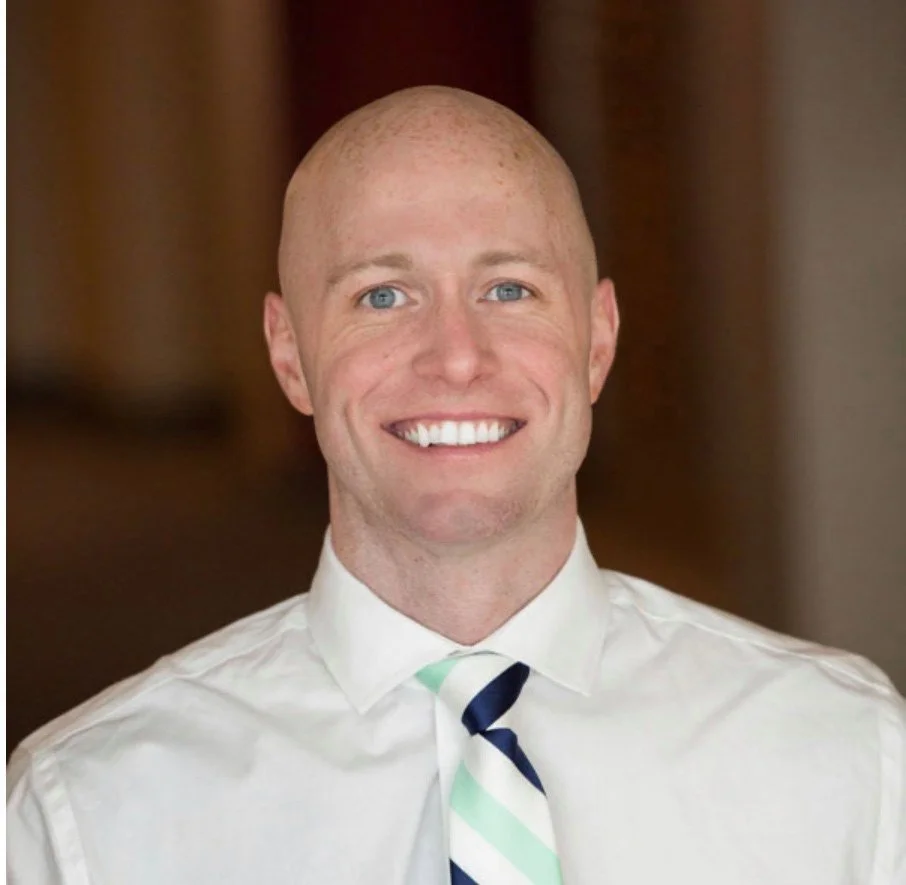
Dr. Chris Swart
IG : @coachdoctor.swart