What is OHM Fitness?
Guest : Jason Sani
january 1, 2023
Steve Washuta
Welcome to Trulyfit. Welcome to the Trulyfit podcast where we interview experts in fitness and health to expand our wisdom and wealth. I'm your host Steve Washuta. Co Founder of Trulyfit and offer a Fitness Business 101. On today's episode we talked about EMS technology. What is EMS technology? Well, it is a electromagnetic stimulation technology.
Steve Washuta
How is it used in fitness? Well, Jason Sani of OHM fitness studios is going to discuss that with us you can find them at OHM fitness studios on Instagram. They give you a workout experience featuring this EMS technology inside of a suit. Yes, you will put a suit on to take this class. Jason's gonna go into the science, he's gonna go into what it's like to take a class what it is like to teach a class, it was a great conversation.
Steve Washuta
I love doing these reveals talking to people who work at fitness studios who have new technology and what is going on sort of zoom out approach. Look at everything that's going on in the industry. I also love talking to veteran fitness professionals and health professionals like Jason. And we sort of talk back and forth about our stories and growing and advancing in our careers and some great little tidbits and info for people who are new to the industry.
Steve Washuta
With no further further ado, here's Jason and I talking about EMS technology and own fitness studios. Jason, thank you so much for joining the Trulyfit podcast, why don't you give my listeners in the audience a little background on you? And what you do in the fitness industry?
Jason Sani
Awesome. Yeah, Steve, it's a pleasure to be here. Thanks for having me. I've been in the fitness and training world since 2005. I studied, you know, marketing and nutrition, and then further my education, you know, Certified Strength and Conditioning specialists, you know, a certification, Integrative Nutrition precision, you're just trying to obtain as much knowledge and background so I could understand how to help myself, and you know, and also help the clients that I was working with, and just add extra value.
Jason Sani
So being an industry that long, I've, you know, jumped in out of training and into the corporate world back and forth, I've had my own training business, I've done the online training world, you know, ultimately, I've had the opportunity to work with, you know, 1000s of people on a one on one basis. And that's really what how I've, you know, built my experience of really how to how to help people, I think, you know, and, you know, as of recently I've published a book on nutrition just said something that so many people were asking me to do and create a good visual guide, kind of a recipe guidance to your point intimidation from cooking.
Jason Sani
And, and that's actually what kept me in touch, you know, with my current partner, who I'm working on a really neat project right now. So my current role is director of wellness, and director of training with home fitness studios. And so we specialize in EMS training. So for those of you who are not familiar, it's electrical muscle stimulation. And I got back in touch with Douglas pain, as I was one of the first 10 original trainers with orange theory fitness. Oh, wow. So yeah, believe it or not, I was at the first franchise location.
Jason Sani
And Doug, the CEO of the company I work with now was the first franchisor and franchisee that took that model. You know, that was started out in Florida and turned it into, you know, the boutique fitness that's blown up to 600 plus locations at this at this point. So, our relationship, we stayed in touch, I had helped his family with nutrition.
Jason Sani
And it was one of these things where, you know, a couple years ago, some new concepts came on his radar. And he wanted my opinion, initially, I was a little skeptical. And, you know, as I looked more into this concept of what EMS training is, you know, it was enticing enough to jump all in as I saw a really unique opportunity to reach more people and, and here I am today.
Steve Washuta
Well, before we go into olm, and more on EMS, I'm gonna go back to your story a little bit because I wrote a book called fitness business one on one with the certifications don't teach you. And part of that book describes a lot of your experience where people in the fitness industry, they get their first certification, they think they have an idea of like what they'll do for their entire career as a fitness professional, but you have no idea.
Steve Washuta
Because you're going to be jumping from job to job, you're going to find out what your particular skill sets are in the industry, what your niche is, and more importantly, what people need. You just made a point to say, everyone was asking you to write these nutrition books, and I assume it was because that was like what your clients came to you for.
Steve Washuta
And they're like, oh my gosh, you have better information than anyone else concerning these topics. You don't know how needed this is. And that's what I try to like, pass on to young fitness professionals is that just take it easy. Take your time you're going to learn in the industry, you're going to take tips from other people and you're going to find your niche and your path eventually but there are you can do something in the fitness industry. There are a zillion different jobs.
Jason Sani
Guys, I love that you said that. I'm super passionate about this. It gets me fired up because it's it's the truth. We need to get out there and have that apprenticeship and I'm so thankful for the opportunities that got me out of my comfort zone and you know that stuff Are with teaching classes and taking on clients, I can still remember my first training client that was out of a gym studio, and I took it to home training, and then it turned into more lifestyle training.
Jason Sani
And like you said, I got really passionate about this missing link that I thought that was out there. It's like you can get people to train and do all the physical, you know, checkmarks that they need to do. But there was a big thing missing from consistently consistency, adherence and getting those results was the nutrition side of things.
Jason Sani
And that was something I learned with one of the first training programs, I think, through precision nutrition, about what what are people's biggest limiting factor, a missing link. And so I got really excited things like, Well, I have something I grew up with a family, the Italian family loves food. And so a big passion of, of me figuring out my own issues was, was learning to enjoy the nutrition element of it.
Jason Sani
And I found that, wow, when I combined those two with training is so much more likely to increase the odds of clients getting better results. And I didn't see it come in, I thought, you know, when I was younger, I wanted to own a big gym and train a bunch of people. And it ended up turning into something where I would go take people to these immersive, you know, experiences and just go through all their different habits and introduce some new things in and teach them consistency factors and how to enjoy the process.
Steve Washuta
Yeah, I mean, a lot of it is being introspective. And having people around you tell you what you're good at, and you realizing what you're good at. Because we all have an idea of what we want to do. It's like, oh, I want to train athletes are I want to do this or that. But you're best suited to do what you're already really good at. Right? Whatever that is, right? You already have this sort of like passion for teaching people looks like, like healthier habits, and both eating and lifestyle and things of this nature.
Steve Washuta
So like, we have these skill sets that are already sort of cultivated, and we have to take advantage of whatever those skill sets are. For me, I was always better working one on one than I was in group fitness, I just connected better on a one on one basis. So I based my training, mostly around working one on one, I didn't do a lot of group fitness. But for other people, I call them entra trainers. So they're like an entertainer.
Steve Washuta
They can sit in front of the class they can they're not that maybe what I would call like an anatomical Sleuth. So they can't look at the body and say like, you have knee valgus and you have, you know, bad posture, we're going to work on this cervical column issue. They're more like, Hey, I'm gonna put on a show. Follow me. Okay, that's great, right? You can do it in that you can, you can be any one you want to be in the fitness industry, you just have to find the right job that sort of like matches your skill set.
Jason Sani
Sure. I like that. I think that's, I think that's spot on. I mean, we have intentions of these different roles that we want to play and do and the world gives us feedback. And it's up to us what we you know, what we actually do with that feedback. And, and it's the truth. And I'm glad you touched on the whole entertaining concept.
Jason Sani
You know, although I take pride as getting to be a witness and experience, something like orange theory early on, I didn't take me long, more than a few months to realize that that was missing a lot. It was a flawed model it you can give it credit for helping create this boutique model concept. But I realized that just heard, you know, hurting in 30 people at a time and get them to feel like they're doing a hard workout and associated with the scientific flood background on this, this post energy consumption issue, that there was something missing there.
Jason Sani
And it was something that I would I found myself, the clients I'm working with, I wouldn't want them doing this four or five times a week. And so you you realize those things as you go on, and especially when you have that integrity of working with people. And you know, we learn a lot by all those experiences.
Steve Washuta
So why don't you elaborate on that for a second? Because I think I know what you're talking about, but the audience by not? Yes. Are you saying it's flawed, because it's too high intensity, there's too much kind of wear and tear on joints and ligaments in the body in general. And there needs to focus more on let's say, injury prevention and overall health and wellness or am I putting words in your mouth?
Jason Sani
No, absolutely. I think I think you're accurate there. In the sense of what I see with those models is you have this field effect where you you get everybody feeling and sweating like they're working out very hard perceived by but it's there's so much more individual attention that is needed. You have people that come in and certainly have these there's movement, pattern issues or instabilities, there's going to create more, you know, more and more issues going on.
Jason Sani
And it's it's this this feel factor and I like to think that a lot of people that subscribe to this is this idea around cortisol junkies, where for a lot of people it's the best they're gonna feel they come in and they punish themselves, they sweat, they get this big energy rush. And then you know, it's fleeting, they go away and they know that it's there. And so I mean to break it down, like the science behind it is, you know, there's this medium zone that people are hanging out you know, there's there's some good stuff that happens if people know what they're doing in there and they can train right but the rest comes Hone, it is so incredibly important.
Jason Sani
I feel like you're in this just like gray zone a lot of the time that you're in there. And it's just the body I don't think is designed for the average person, like it's the most, the human body's the greatest adaptation machine. But it's not designed for the average person to push at that high level without more thoughtful and intentional rest. I know there's a lot there, you know, that we can talk about the movement selection and the intensity that people bring. But I think you get the little you get the idea there. And we can expand on that more certainly,
Steve Washuta
yeah, no, and that was great. That was great information. And that's what I kind of want you to talk about a little bit. So you hit on some of the micro things for me from just like a macro perspective, if there's a quote unquote, like utopian fix for all it run away from it, because it's not, it's not the case, right? So someone's like, all you have to do is Orangetheory, and you're gonna be in shape, and everything's gonna be fine.
Steve Washuta
That's not the case. A lot of these things are supplemental. And a lot of exercises supplemental, you don't want to just run, you don't want to just do arms theory, you don't want to just do born last, right? Like, because you have this tendency to repeat these movement patterns and repeat these types of exercises and these type of these types of intensity. It's always good to be involved in multiple things, right? Sprinkling in orange theory on Monday and Friday, maybe Wednesday you do jujitsu, maybe on Saturdays, you go on a run. And and maybe on Sunday, you do yoga, right? These are the these are the better avenues for our body.
Jason Sani
Yep. Yeah, I don't want to come off. Like I'm knocking on what Orangetheory has, they've expanded and evolved a ton. And they've obviously done some great things. And at the same time, it's just like, spin classes. Like, it's not my favorite thing. I've gotten into cycling in the past and things like that. I won't knock on anything. If somebody enjoys what they're doing. And they like to move, obviously, I think there's a tremendous amount of health benefits.
Jason Sani
But I think that you're right, we want to, we want to be more harmonious and what we're choosing to balance out. And I'm a big believer that we need to rest and recover just as hard as we're training. I know there's, that requires a lot of context. But I like what you're saying. You're just balancing those things out. And I think there's a time and place for those types of workouts, working out with peers can help people push their limits, you know, and reach their capability a little bit better for sure.
Steve Washuta
And I think, you know, for the general population listening, Jason and I are being very nitpicky because we are like so like involved in the community. Right? This is stuff we see every day and stuff. We're going through all exercises. Good, right? Jason is okay with you doing any sort of exercise class? So am I that's all good. We are just saying optimal, right? If you were to actually talk about the optimal performance for someone and how you can better yourself once you're into the exercise world, we want to give you little tidbits on how to optimize.
Jason Sani
Yes, spot on. Absolutely.
Steve Washuta
So let's talk a little bit more about EMS and ohms. Go over a class right, so So walk me through I walk into the studio, and what is the the first step talk about the suit just walk me through an entire sort of first class of this.
Jason Sani
Yeah, so the concept of own fitness is designed around using your EMS, the modality in a suit, so we like to think that you're coming in and you're putting on the gym. So the suit that you are putting on it your size, specifically, we have six different sizes. In the suit, when you put it on fits like a three quarter wetsuit, so you can imagine like what a surfer would wear, maybe a diver would wear, and it's got 30 electrodes placed all over the suit.
Jason Sani
So based on your size, you get a suit, you have expectations that the class is going to be only 25 minutes, which is surprising to a lot of people. And once you put the suit on, you are handed a battery pack, it's a small battery pack that fits on the suit, you're given a description of the class, prior to go into a class, you're gonna get an introduction, you know, to make sure that you don't have any significant limitations. And that, you know, you have the ability to do these types of movements.
Jason Sani
And, you know, understanding where your fitness level is. And then from there, you have, you know, an expert experienced trainer that's going to guide you through these movements. Starting with this model, we call it the arc, it's like climbing a mountain. So we spend five minutes to warm the body up from the inside out, that's going to allow the suit to and the electrodes to be able to activate, you know, and I know electrode sounds a little, a little funny, like it's gonna be uncomfortable, but it's just like a muscle contraction.
Jason Sani
That's what these electrodes are sending this signal, they're sending these impulses. And so once you have the suit on, you warm up, and you're just going over mobility patterns. So we're trying to wake up those sleeping muscles, and the warm ups are all different. They're designed to get the body to just send better movement patterns have a more, you know, a better body awareness. And we believe that if those you know, muscles like your core muscles in your glutes and your traps and different shoulder muscles are more active, you're more likely to just recruit the proper muscles and send better movement patterns.
Jason Sani
And then from there, we move into what we call the climb, it's a seven and a half period, where we start to, you know, elevate your heart rate a little bit more. And whether it's one of our strength classes, or one of our more muscle endurance types of classes or recovery class, that's going to look a little bit different. But you're in a small group setting, sometimes it's one on one, sometimes we have up to 12 people.
Jason Sani
And it's a customized experience. So the suit then is turned up based on where you want to focus. For instance, you could target you know, just your glutes and your quads, or you could target you know, your core muscles and chest or your arms or all of the above. So there's electrodes all up your back muscles, you're getting your traps your lats, everything, there's all these pads. And it's it's a unique experience.
Jason Sani
So some people are coming in because they have limitations. And you know, maybe just a traditional workouts don't appeal to them. But that's, that's a breakdown of the workouts for 25 minutes, we, we take you to a small period in the middle, what we call our peak. And that's where we're asking people to bring, it's the closest thing that would mimic like an anaerobic output.
Jason Sani
But you're rarely feeling like your heart is beating out of your chest, you're just feeling this sensation in the stimulation from having your muscles, you know, impacted, you know, at a more frequent and deeper level. And one way to think about it just quickly, you know, somebody who's experienced it training has a strong, you know, muscle Mind Muscle awareness, whereas I said, yeah, if you flex your bicep, you could look down and you could create a flexion and extension in your arm and flex your bicep.
Jason Sani
Well, not everybody has the ability to do that with their abdominal muscles, or their glutes or their hamstrings as a trainer that was a frustration is, you know, is getting people to learn how to utilize those, those proper muscles, the suit is going right in there and doing that, and you're a lot you're able to slow things down and, and help people feel and control those muscles a lot. A lot more efficiently. I'd like to say,
Steve Washuta
Yeah, well, that's great. And engagement is so important. And that's why the reason people heard me talk before on this podcast, I don't use the op te model, which is NASAMS model, they have stabilization at the bottom for me, I don't want my clients to focus on stabilization. I want them to first activate and engage and know where the muscles is. Even if they're sitting down on the machine and they're pressing out.
Steve Washuta
I want them to say, Do you feel like your pecs are tightening up? Do you feel your tricep until you can engage the muscle and know what's muscles are working? It's almost pointless to do some of the exercises, right? You have to be able to engage and like you said anyone can engage their bicep. But can you can you engage your pecs? Can you engage your lats? Can you engage your glutes this is this is much more difficult to start to build those neural pathways and connections.
Steve Washuta
Now, before we go into more of the class, I want to go to the feeling of the suit because I'm sure that's the first question people ask us like, is it shocking? Me? Is it? Is it constant? Is it a grip? Is it a second long? Is it a half a second long? Does it feel like a 10s? Unit? How do you describe it?
Jason Sani
Yeah, so you mentioned 10s unit, which it's more likely that somebody is going to be familiar with, you know, with a 10s unit compared to what EMS is intense. You know, on a basic level EMS intents are similar. Whereas a 10s unit is going to be targeting more of the nerves. And it's specifically going to be a lighter movement to help promote circulation or healing from you know, a damaged muscle or trying to target more inflammation, whereas the EMS is sending a stronger signal.
Jason Sani
So it's based on different wavelengths and the amount of hertz that we're sending to the impulses and those impulses are going to create muscle contractions. So how it feels is, I mean, imagine, if you just tensed up your body, I mean, that's one way to think about if, if you just like that, they got a reaction type of feeling, you know, like my little baby girl, when she was, you know, a few weeks old would kind of clench and have this like reaction to that period. And it's, it's, it's like that it's like, more of, I don't even like to use the word like electric, or we're really worried about using all those types of words. But it's like an ease.
Steve Washuta
It's like an internal thing. So you feel your muscle inside twitching, but you don't feel pressure from the outside. You don't even you don't know that there's something causing this. It's not like it's not like the the thing is moving and clamping on you because it's a signal. It's only happening on the inside.
Jason Sani
Yep. And then to add how long you feel it, we typically will have a ratio of you know, four to four. So four second impulse before for a second rest, or we have some of our strength workouts where we're, it's a 10 second squeeze verse, you'll have a five second recovery. Now we can we can change the the level of how much power we're sending in there based on you know where your experience is, but that impulse, although it feels like an engagement, like you're just flexing for three or four seconds, you're actually getting, you know 80 to 100 of these mini impulses that are going through.
Jason Sani
And so instead of just 10 reps that you would do in 15 seconds, or 20 seconds, now you're getting, you know, 80, or 100, or 200 reps in that same period of time. And it's happening simultaneously throughout the whole body. So there's pros and cons to that, you know, for somebody who wants to specifically target that. But we'd like to think there's a lot more pros when we are using it correctly.
Steve Washuta
Well, let's go to the class. And obviously, us being in the fitness industry and people listening in from the fitness industry, I want to talk to you about teaching these classes. Is it choreographed? Do you have to follow up? Like a script of exercises? Do you have a little bit of like, wiggle room into what you can do in the class, assuming that you do teach these?
Jason Sani
Yeah, so good question. We started out just, you know, one on one. And our goal was to scale and reach more people, this is something that's been around for, I mean, really, since the 60s and has come a long way in evolution. Up until recently, you know, five or six years ago, all of these suits had cords on so it's really hard to reach multiple people.
Jason Sani
And so our classes are designed to have videos that are playing demonstrations, in addition to a coach that is going and coming at you, if we have classes that have more than 10, people will have two trainers in there helping but the trainer is walking around taking inventory, making sure people are moving correctly, and that they feel good. And then we have the demonstrations.
Jason Sani
And we have hundreds of classes coming in, you know, based on strength, and they move in different phases, phases where we are targeting, you know, different isometric phases, we have more, you know, East centric types of phases, we have more unilateral focus types of phases that go through the training, but you're watching the program so that if you ever get lost, you have a guide to follow the average exercises are anywhere from 30 seconds to a minute at a time.
Jason Sani
And they're not the typical circuit training and things that you'd see there's not a lot of jumping, it's lower impact. So we like to call it low intensity training, that is more focused on, like I said, these these specific movements that we're doing, the more you know, we might do a squat. So you'll see a demonstration of a squat. And then we can take it at whatever pace you want to go, it might be going slow, where we might have a hold at the bottom or some sort of, you know, isometric type of, you know, goal at this at this point. But yeah, you have a trainer that's walking through and catching any sort of, you know, potential issues or poor movement patterns and trying to be corrective as possible in that as well.
Steve Washuta
Sure, yeah. But from a scalability standpoint, that makes sense, to have the exercises up on the screen to have whatever 1000s of exercises recorded, be able to kind of interchange them and build programs, because ultimately, as you know, and, you know, let's Jason's down somewhere in Florida and orange theory in the second orange theory ever made.
Steve Washuta
And then he decides to leave and everyone was going to the class because Jason was there. And now that class isn't going to do as well. So right, the bigger businesses have to think, how do I scale? How do I not be so employee dependent, because if they're only going for the employee, and that employee leaves, then that could hurt my business model.
Jason Sani
Yeah, that that's certainly true from a business aspect, we want to be able to scale it and grow it. At the same time, like myself having a lot of integrity in the training world, I wanted to respect the process that we still, we don't want it to be all automated. And I've seen some studios that rely on that, but we want the trainer to be there.
Jason Sani
And I'm having conversations with all of our trainers on a daily basis to make sure we're delivering the best experience when people come in here that our goal is that they're going to move and feel better than before they came in and so that you might see a demonstration of a move, but our trainers there to help modify, make sure that you've you feel and understand that move properly. So the trainer and there's holding a device that is able to customize your specific movements, like you might be at 25% or 30%.
Jason Sani
You know, Karen, who's first time might be a little bit lower. Eric, who's been coming for, you know, two months might be at a higher level. So the trainer's doing a combination of delivering that dosage. We have a system that we do to deliver that minimum effective dose, and then we scale it up. And so people have a couple of ways of getting more out of it. They can move with more thought and intention. They can add in some plyometric options where we have options to choose a more advanced movement, or they can ask for that and a combination of turning up the intensity for some of our slower movements.
Steve Washuta
That's great. Yeah, both and yeah, obviously, from a business standpoint, you need the scalability but in order for your business to grow, you need that personalized touch you need to know that people care about you when you go in and obviously you having integrity in the industry, and have been there done that That and all that and seeing everything from an orange theory to individual personal training know that when people come in, they want to connect with their coach, part of part of exercising is knowing that the you can trust the people who are guiding you, you have expert guidance leading the way because if you trust your coach, you're not only more likely to go back to the class, but you're more likely to be successful in getting to your goal.
Jason Sani
Yep. And then I will add, absolutely. And then I will add that we also have our our flow style classes. So we have our stretch and flow classes, which you know, are similar long, more and more of the mobility focus, I know, that's a word that gets thrown out so much, but, you know, we have yoga style classes that we're doing, and those are taught, you know, hands on, you know, so we have different props that we use.
Jason Sani
So more of our relaxation mode, that kind of creates the effect that your body's getting a massage just focused on its circulation flow throughout the body. And those classes are taught by certified yoga instructors or people with a Pilates background. And we have some that are focused specifically on, you know, pelvic floor issues. So those ones are more of the one on one, you know, teaching basis.
Steve Washuta
You might not know the answer to this, but I have to ask, yeah, you have this, I guess you would call a wireless EMS suit. And you run these classes? Is there a patent on this? Are you the only people in the industry? Are there people who are copying you? Can there be people who copy you? What is sort of your analysis of what you have created? Or what has been created?
Jason Sani
Yes. So we certainly aren't the pioneers specifically in the EMS game, we like to think that we've progressed and moved forward, the ability to scale this up reach more people, we have patents, pending patent patents pending, specific on specific modalities of what we're doing with our home program and our training. You know, there are other people or they're using suits like this, we have our own suit that we've created.
Jason Sani
And, you know, we're working on different elements there. But there are other studios that are using this, it's been growing a lot more, we just took our expertise from from growing these different models and creating something that works and has, we sample that out. I mean, we've been run this, we've we were working this out on people for you know, more than a year before we were fine tuning the programming of it and ready to scale it up. So I hope I answered your questions there. But we do not have a specific pattern of suit.
Jason Sani
There's other people that have suits like this, we do you have some on different like specifics that we're working on with the HOME program. And for, you know, for specific conditions, I guess that's the most I can say, for instance, like motion sensors that are going to allow a lot more gamification for this. And that's where we get really excited about that the growth and outlook of this, you know, some people like you and I, I'm always gonna like to pick up weights and then go go, you push my body get outside, move around, you know, without a suit.
Jason Sani
At the same time, I see, you know, I understand that there's a large population of people that don't get as excited about training, and maybe don't have that same type of ability. So I see a really unique opportunity to reach more people that are limited. And then you have the gamification people who are sitting around a lot more that could get into this, if they're working out as an avatar, or, you know, now they can, you know, participate in more of a game type of setting and get those results that they weren't as likely to do at a typical gym, you know, scenario.
Steve Washuta
And I don't think we hit on it exactly. So I'll throw this to you here as a softball, because I know this is part of what you guys do, and you want to sort of talk about this ensures that the because of the suit, you don't need to train as long, right? That's, that's a that's another thing that's going to help the general population ultimately, instead of doing an hour or 90 minutes of exercise, hypothetically, due to the you know, looking at the science, you can train for 25 or 30 minutes in the suit. Is that correct?
Jason Sani
Yeah, that's correct. That's something I've probably missed hitting on the very beginning. So one of the most exciting things about this is that, you know, our average person is working out two to three times per week. And so, you know, 325 minute sessions, is what we recommend, what we've seen a lot the results and again, that can be a little bit subjective based on the input and output. But I can say, you know, I was extremely skeptical.
Jason Sani
What made me more of a believer in this idea and technology was I used a form of EMS. You know, in college, I tore my pec trying to put on some exercise. And I saw a surgeon who, you know, a couple different people recommended surgery, I had one who said, Hey, this is something you're going to be dealing with the recovery of this. It's like a rotator cuff injury if you can find some alternative methods and I was referred to as black magic guys that were working with a lot of pro athletes out in Phoenix, Arizona, and they took me through this program that was about six months.
Jason Sani
And the whole idea was there's going to redesign my body and heal this injury which I didn't think tendons and joints could be, you know, healed but using this device called an ARP Advanced Recovery Program. And it was it's using your EMS type of technology. And this was, well, gosh, no, it was like 413 years ago, a long time ago, it was enough to where I was a believer and I was open to it that this technology was was special. But even when I saw people using these suits, I still, you know, I thought it was just people taking shortcuts.
Jason Sani
When I tried to work out for the first time I was a believer, I brought my wife with me, and she was sore for, you know, four to five days, and I was sore, too bad. Like, as you know, I've been in his training game a long time. And just because I'm sore doesn't mean that I'm getting results. And so I had to dive really deep to understand like, the specifics, and what are the correlations to me being sore? And is this just a shotgun approach? Or am I able to work on specific things? And diving through the numerous studies got me really excited about where this is going. And I know I went on a little rant there, but we can no we can cover any of that.
Steve Washuta
We had Dr. Judson Brandeis on the podcast who is a like a neurologist. And he works with, like the 40, Niners and a bunch of athletes. And like I think like Bruce Springsteen, and he has, like, he has like the who's who of celebrities that he works with. And he said that M sculpt, which I also believe uses EMS technology is really big in you know, out there in California with a lot of the celebrities and that it's you know, the science has proven that this has worked. It's just how do you package it? How do you make it fun? How do you make it worthwhile?
Steve Washuta
And then what you guys are doing is, how do you make sure that there are professionals that are guiding you in the process of doing it, because that's ultimately the most important part is that you're not just you're not just sending someone on suit and say, have fun? You're saying, Well, we're gonna guide you along this fitness journey. This isn't a, this is a tool that's going to help you but ultimately, you still need the fitness and the guidance.
Jason Sani
Yeah, you're spot on. I think there's constantly there's always gonna be people searching for that, that magic pill or the get skinny, quick pill and all that. And there's, there's aspects about this, they're gonna grab people's attention, because it's like, well, shoot, can I just sit down and put the suit on? It would do work is the joke that you want? I'm explaining it to people all the time.
Jason Sani
Yeah. And it's like, yeah, you probably would, I mean, I know, you certainly would get some results. But we took it quite a few steps further, by taking a lot of pride in the type of intentional training that we're doing. So, you know, combining it with, like I said, really intentional functional movements. Another word that gets overplayed there, but like, designing it to take inventories of people's bodies.
Jason Sani
So as you come in, we take people through, you know, a digital scan of their body, we use a styku machine is one of the tools that we use, and then we take people through different inventory, like reaching lists, and we're able to use that in identifying a plan to focus on increasing your range of motion for people and strengthen weak, you know, instability, muscles, where people have instabilities.
Jason Sani
And so I think people are gonna get tremendous results, just from working with the specialist in the people that we have on you combine that with the suit, and the moves, end up being, you know, kind of extra credit. You know, however, whether it's the chicken becomes for the human becomes for the egg, we like to say that you all those are extra credit, if you're gonna get results no matter what. But, you know, I'm always going to be a big fan of, of movement and teaching people how to do that movement, themselves.
Jason Sani
And so it's just, it's really exciting, all the things you can do from it. And we're still just scratching the surface at where this is going. Like, for instance, people that have, you know, we've seen people that have had, you know, diastasis recti, die or, or issues, you know, different issues where they can't feel their abdominal muscles, they come in and wear the suit, and like, wow, I felt these muscles engaged that I'd have not in 10 years or 12 years, or you have people that just can't be as weight bearing or move around as much weight able to feel this invigoration from, you know, from activating all their muscles. So there's a lot of excitement and new development constantly.
Steve Washuta
Yeah, and I would push against anyone who says, you can just use the suit or you can just use something like M sculpt or the technology to get in shape. Because ultimately, there's a difference between vanity and health. Right. So yeah, of course you can wake these muscles up and they can become firmer and look nicer.
Steve Washuta
That's all great. And will you be burning calories? Doing it? Yeah, you will. But, you know, we're meant to move in different planes of motion, right? My spine and my shoulders and hips are built in ball and socket, right I need to move them and all the full ranges of motion and and and there's no unit that's doing that for you. Right? We're so it's it you have to combine it with what you guys do. And I saw a lot of your workouts you do things like floor Pilates based movements and yoga based movements and traditional exercise. So it seems like you are actually moving in all planes of motion and really doing traditional sort of overall health and wellness combined with a suit.
Jason Sani
Absolutely. Yeah, I appreciate that. There's been it's constantly growing and evolving and you know, The goal is gay teaching people to increase their range of motion use their bodies better. With the movements, one thing that people don't see from afar, it's just the cues, that's another thing that's really important is that the trainers that we have, are trained to teach people to use the proper cues.
Jason Sani
Because if I tell you to squat, you know, you can bend your knees and crease your hips and sit down. But when we have a trainer, that's, you know, talking about keeping your chest up, right and sitting back over your heels, and, you know, closing your hips at the top and working on your mobility, when you squat down, if you can't go, you know, all the way down is there's some some ankle stability issues that we need to address. And so from that, we look at opportunities of how we can make that improvement.
Jason Sani
And, and I think that we may, I wouldn't say we'll pivot, but I think there's going to be other areas that we really use this as a tool to address all these issues. And I get excited about because I see, mobility is more than a trend, like people are realizing that they want to be able to move and use this, this adventure suit that we have, you know, for as long as they can. And if we don't address these different instabilities, and with how much people are sitting, you know, people are going to continue to be limited for longer. So I think tools like this will make it fun for people. And it will be a tool that people can use to just get more out of their training.
Steve Washuta
Yeah, I can see it used in almost also one on one settings and more of a corrective exercise, if you will, where you have clients that come in, I'm 63 years old, I've worked my whole life, I've been sitting down in a chair sitting down and airplanes flying all over the place. And basically their glutes just don't fire and they have low back issues and they associate it with whatever just old age and disc degeneration but really the issue is that the your butt muscles underneath have not been firing for 35 years.
Steve Washuta
And now you're back is taking the brunt of all the force when you walk in you do things how do we wake those muscles up? For me, I knew I could sit here and engage my glutes all day long. Actually, I'm doing it right now. I can't see it on camera, thankfully. But for the average person, they can't do that. Right? They can't just use their mind to fire their glutes. So you give them a little help. And you put on you put on the suit and you show them how it's done. You walk through the squat and and you work with them in a corrective exercise fashion. So I could see it working in that in that realm as well.
Jason Sani
Absolutely. I think that's that's spot on. And it's something we take a lot of pride in. And yeah, like I said, I think that we take so much pride in when people come in that they're going to be able to feel better and move better for the long term. That's our goal for people and so far people have responded to it. You know, really well. Gosh, what it was I was going to touch on with.
Steve Washuta
What while I was going to ask you first, yeah, about some of your nutrition stuff? Because I am interested in that. Yeah, so what exactly I know, you told us what drove you into it. But what exactly do you do on a regular basis? Are you working one on one with clients now? Or are you just kind of like, you know, your book? Is there for anyone to go after? What are you doing day to day in the nutrition realm? Yeah, the
Jason Sani
nutrition realm. It's come a long way, in the last five years, I transition a lot more to consulting I what I like to think, you know, as the people I worked with right apprenticeship, I still have a huge passion for it. I don't work with people one on one as much anymore, especially now that I've taken on this role. But I had a huge passion that that helped people, you know, everything with with from food intolerance tolerances, to stripping away the intimidation, that it came with eating more nourishing foods, you know, so I did a lot of one on one I did a lot of.
Jason Sani
I don't like to throw the blanket statement of like food and nutrition challenges because I use them more as like experiences to educate people and immerse themselves in you know, in ways to, to learn how to be more resourceful using fun terms is you know, flavor insurance and creating awareness, you know, you know, getting people to track as a tool to, you know, to have a better understanding of what they do, you know, so where that turned into more of consulting was when I would work with gyms and I bring in a nutrition model to follow working with some different nutrition companies for Formula formulating, you know, products that that that are on Amazon and direct to consumer and sell in a different you know, stores and that model.
Jason Sani
So I'm just very passionate about the culinary nutrition aspect is what got me the most excited I grew up a really picky kid. And so it really resonated with me when people say they don't like specific foods I've I learned to be really creative, and learning how to eat to help fuel performance, and overall health. You know, gut health has been a big topic. I've worked a lot of people with autoimmune conditions and so helping people to hold people's hand through that process.
Jason Sani
What's really challenging about nutrition is it's becoming more individualized ever now with data and it's something that there are so many people When you see on social media like, oh, try this diet, do the do this elimination, this, you know, Paleo keto, carnivore, blah, blah, blah. And it's like, there's so many methods that might work short term as a bandaid because it's eliminating the symptom that people were feeling.
Jason Sani
But you know, it's something that is very challenging to really teach people how to get more interested, and take inventory of their body of what they're doing. So I still will always write and love and talk about food and nutrition. I'm working on revising my book.
Jason Sani
Now I published it back in, I think, the end of 2017. And, you know, maybe there'll be a follow up to it. But it's, it's something if you're in the nutrition world, you realize, I realized early on, the more that I knew, the more I didn't know, and to give people these blank and so many people are like, what do you eat? You know, what's, what's the diet, what, you know, what are the best foods to eat, and there's so much context based on you know, people's stress and overall health level of how they're going to respond to different foods and
Steve Washuta
their age, their body, their hormones are doing today. Don't like you're a client. And you're I'm not saying anything bad. But you're you're 47 year old woman who's deconditioned and you're asking me what I eat? Well, I work out three times a day, and I'm on my feet all day long, right? And I'm so like, we you shouldn't eat the same things that I like, I don't want to give you recommendations based upon me. I'm eating. I'm eating different foods than you should probably eat.
Steve Washuta
And also, like you said, I don't know all the like the intricacies and the nuances that are going on with your body. Maybe you do have some sort of intolerance is going on. I can't make those. Those recommendations. Exactly. So yeah, you're right. It is it is tough. And I wanted to just also touch on the book. That was funny, you said that with the you're you're touching up the book, anyone who's ever written a book knows that.
Steve Washuta
You never feel like your book is done. Right? You always feel like, Oh, I could have did this. I could have wrote this. I could have did this. So I've always thought like, do I come out with a fitness business? 102 or 201? Or do I just make edits to my first one? Because you just you always learn? Like we always do we learn more on the path. And we think like, oh, I should have put this and or I learned this afterwards.
Jason Sani
Yeah, this, that's so true. You know, I mean, in the world that we're in, and people's short attention spans, it's like, you have to sensationalize all these different ideas. And, and it's like you do have to adapt and evolve to keep people's attention. But it's like, my message truly is getting people to be more interested in invest more, you know, in their health, so that they enjoy this whole process and learn, really learn to enjoy it.
Jason Sani
And it's not everybody wants that some people want things fed to him, you know, in a spoon, and I can relate more than ever to what you're saying with a book, like you, you know, is a never ending project of, oh, I need to add this or update this. And I am very proud that that it would improve people's lives that there's some amazing aha moments in my book as far as just descriptions and demonstrations that will least impact people's points of view and their framework when it comes to nutrition as well. But that's cool about your book. I'm excited to check it out. I'll pick it up.
Steve Washuta
Yeah, as I will yours. And you know, there's nothing I'm sure you would agree with this. Consistency beats everything. Absolutely. So it doesn't matter what you know what I tell people like, Oh, you're in shape, what do you eat? What do you do? It's like, well, I've, this is what I've been focusing on for the last 20 years of my life, I've dedicated the time to this. So you can't just do what I do now. And also, all of those decisions I've made leading up to this point, allow me to do what I'm doing now.
Steve Washuta
So to unpack that, it's like, yeah, I can go drink six ciders and have a burger and do what I want on a Saturday. Because, you know, my, the way my body functions and my metabolism and the good decisions and my sleep and my water intake, all of these things are different than yours. And they and they have sort of compounded over time almost like the I always compare fitness to finances where it's like so it's like my 401 K or something has been like you know, if I've if I've been putting money into this for 20 years like you can't compare what I'm doing with my money and your what you're doing with your money because I've had this like compounding effect of like, what it is now is based upon all the decisions I've made, you're just starting your journey.
Jason Sani
Yeah, I love that. Yeah, allows you to be more risk adverse and all that is, as well I think about the same thing and a lot of what I found myself transitioning to is like the behavioral side of nutrition and the same thing with fitness like you're spot on, it really comes down to consistency. And people can beat themselves up are so hard on this a lot of times people have these all or nothing mentality of going from one challenge diet to another.
Jason Sani
Whereas like you said, I have the confidence knowing that I can go enjoy myself and go on vacation and and let myself enjoy the moment and that gives you peace of mind and that's what I wish so much for people is that they weren't battling going from this this all or nothing mentality that they could you know, because I went through the same stages were just being super extreme and judging everybody around me and I realized that you know, that's that was that's not the way to go.
Jason Sani
You're not going to make a lot of friends going through you're going through your friends and families. Cover Isn't throwing stuff away and judging them. And so that's it's the time and interest in it. I just wish people would get more excited about this instrument that we have. And you know that it's the one body that we get, and we need to maintain it the best that we can. So we can, you know, enjoy the adventures, you know, as much as possible.
Steve Washuta
Yeah, well said. And I think a lot of fitness professionals try to change clients quickly. Or they try to pretend they have all the answers instead of just saying, Hey, we got to make some small changes one at a time here, right? If you're somebody who's eating like crap, and not exercising, and maybe you drink too much, and you're overweight,
Steve Washuta
you're deconditioned all these things can't, you can't be like, we're gonna go to orange Orangetheory, seven days a week, you're gonna cut out all alcohol, you're gonna drop your calories to 1300 a day, they're gonna fail, right? That's just not it's not possible. No one can do that. It's not, it's not sustainable. We have to make small sustainable changes in order to make sure that our clients can actually build that momentum and be consistent like we oh,
Jason Sani
man, I'm glad you said that. It's, it's true. I think that it's not sexy to hear, it's not the information that people want to hear. And I've had to, I've had the opportunity to help fix a lot of people that have gone from one person to another, gone from short term results. And the stress epidemic is such a real thing. I think, we talked about it a lot.
Jason Sani
There's so many people that just have this overstressed system that they're constantly in this, this sympathetic fight or flight or freeze type of mentality constantly, I mentioned it with a lot of people that are addicted to exercising these cortisol junkies. And I was one of those, you know, I was, it was something that I could always rely on. And a lot of people I think, in the health and fitness industry are in it, because, you know, they help fix themselves and found that that light and resolution and they want to share it with other people. But that's the truth.
Jason Sani
And it's if people realize that you have to start off slower. And the answer, even though it's it confuses people is not just move more and eat less, you know, you have to be more methodical and think about our energy balance, and, you know, and build things up. I think people are catching on. I mean, maybe I'm just optimistic. But I like to think that with this information age that we're in that the good information rises to the top as much as it definitely gets, it can get lost in in the crowd with this Tiktok generation for sure.
Steve Washuta
Well, I hope you're right, I'm not as optimistic as you. This is why this is why we do podcast, why you and I talk because we hope that people do get the good information. And even if we can sway one person away from thinking that they can just eat, you know, the testicles of bowls all day long and, and put on 26 pounds of muscle and have 2% body fat that they know that this is impossible. There are no shortcuts, it's just about enjoying the journey and making small, small strides.
Jason Sani
And yeah, respecting the process. I think it's something that the more people that when you put in that much work or you make those long term investments with anything, I think you value it so much more. And I think that that's a message that needs to be put out there more.
Jason Sani
Yes, it's a crowded area where people are getting paid to endorse all kinds of things and it's, you know, compromise their integrity. So, it's, we're out here doing our work and I certainly appreciate everything you're doing I've you know, I've listened to you know, a handful of your interviews I think you're putting out a good stuff there if we can just get it get in front of more people.
Steve Washuta
Well, I appreciate that. Jason, why don't you tell my audience where they can find more about own where they can find more about you personally and anywhere else you want to direct the stores?
Jason Sani
Yeah, so um, fitness is everything own fitness studios. We're franchisee and if you're in the Arizona area, you can check out our first first studios on social media I own fitness studios and its own like electricity. Oh H M. fitness studios and my name is Jason Sahni. My books called Making healthy tastes good. And I'm happy to be a resource for anybody if anybody has any questions or any way that I can be a resource, don't hesitate.
Steve Washuta
My guest today has been Jason Sani. Jason, thanks for the buckets.
Jason Sani
It was a pleasure. Thanks for having me.
Steve Washuta
Thanks for joining us on The Truefit podcast. Please subscribe rate and review on your listening platform. And feel free to email us we'd love to hear from social@trulyfit.app. Thanks again.
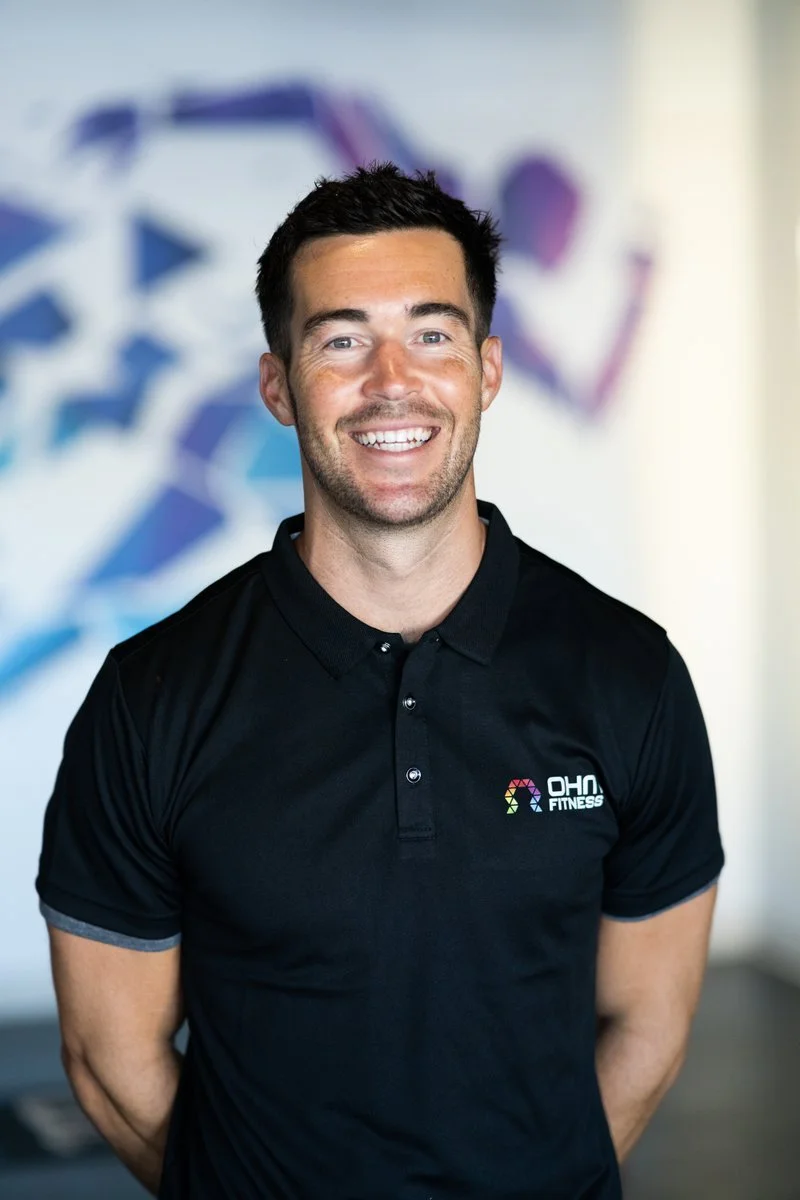
Jason Sani
OHM Instagram: @ohmfitnessstudios
Website: https://www.ohmfitness.com/